
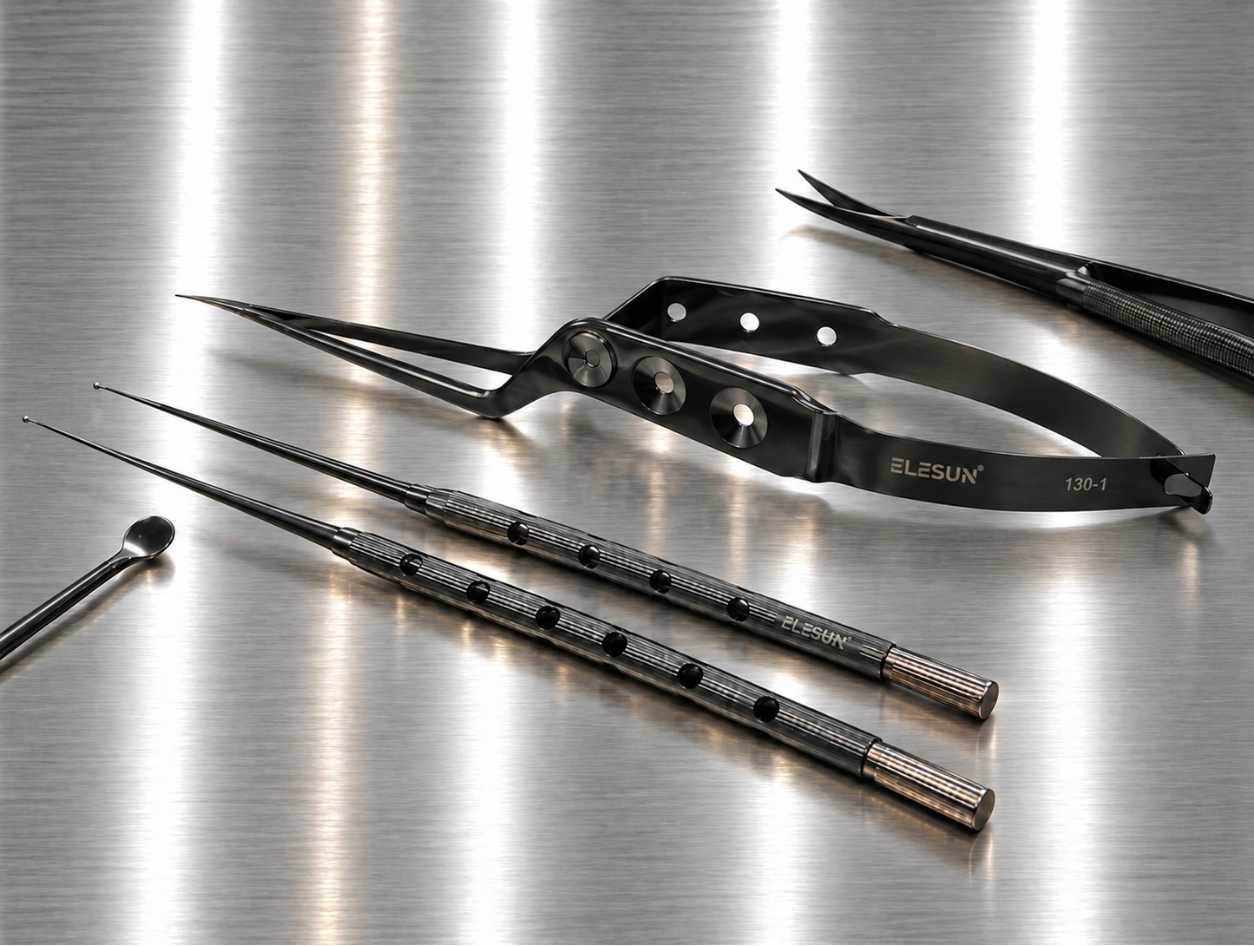
A technical guide to surgical instrument geometry: analyzing working-end profiles, straight vs curved vs bayonet shafts, and working length under microscopic exposure.
Quick Summary: Surgical instrument selection depends on three core mechanical variables: working depth, anatomical angle of approach, and line-of-sight clearance. Straight shafts maximize direct axial force transfer; curved and angled profiles circumvent anatomical visual obstructions; and bayonet designs offset the handle from the functional axis, preventing hand occlusion under microscope visualization. The international standard ISO 7151:2024 specifies technical requirements and test methods for non-cutting articulated instruments, while manufacturer Instructions for Use (IFU) and clinical judgment remain the primary authoritative guidance.
1. The Relationship Between Instrument Geometry and Operative Field Constraints
In surgical instrument design, the spatial geometry of the operative field closely relates to the mechanical architecture of the device. As dissection progresses into deep and delicate anatomical structures, confined corridors impose constraints on line of sight and motion kinematics. Proper instrument selection begins with understanding the relationship between physical tool dimensions and anatomical boundaries.
Working Length
A catalog-dependent dimensional parameter primarily applicable to shafted instruments (such as Kerrison rongeurs or laparoscopic tools). This parameter typically designates the functional distance along the shaft from the handle stop or hinge collar to the distal tip, defining accessible reach within the surgical corridor according to manufacturer specifications.
Total Length
Standard catalog dimension for handheld instruments (such as microsurgical forceps or spring scissors). Overall length and hand grip position determine the relative lever arm; operational stability further relies on surgeon fulcrum technique, hand posture, and specific instrument handling characteristics.
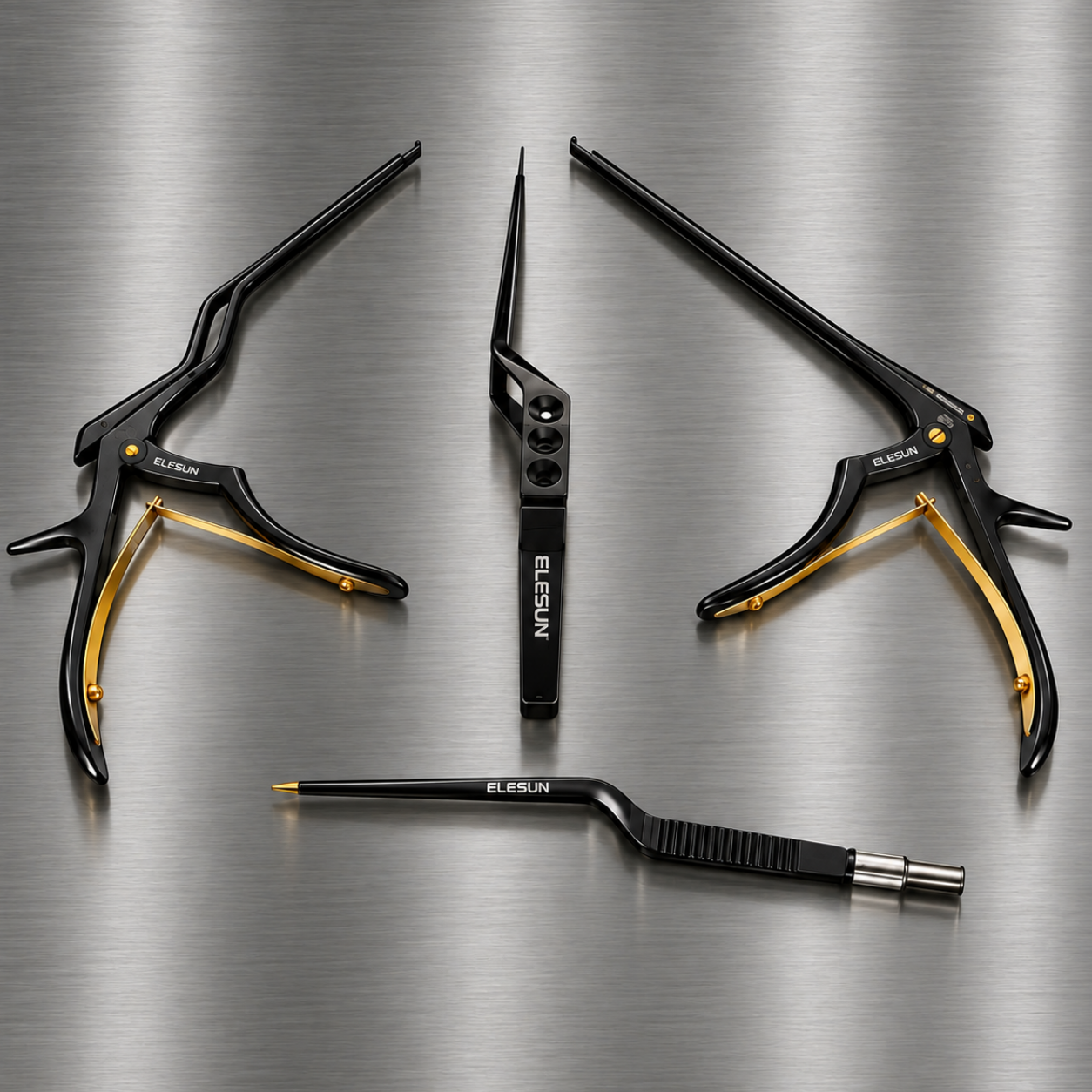
In deep, narrow cavities, an instrument's arc of motion is markedly constrained. Selecting an appropriate shaft length combined with an established finger resting fulcrum assists the surgeon in maintaining controlled tip positioning at the operative site.
2. Comparative Analysis of Shaft Configurations: Straight, Curved, Angled, and Bayonet
The shaft architecture governs both mechanical force transmission and visual alignment. Four primary configurations serve distinct procedural requirements:
Straight Shaft Configuration
Delivers collinear axial compressive and tensile force directly from handle to tip, minimizing off-axis bending moments. This design is well suited for direct, shallow approaches and broad visual exposures.
Curved & Angled Configuration
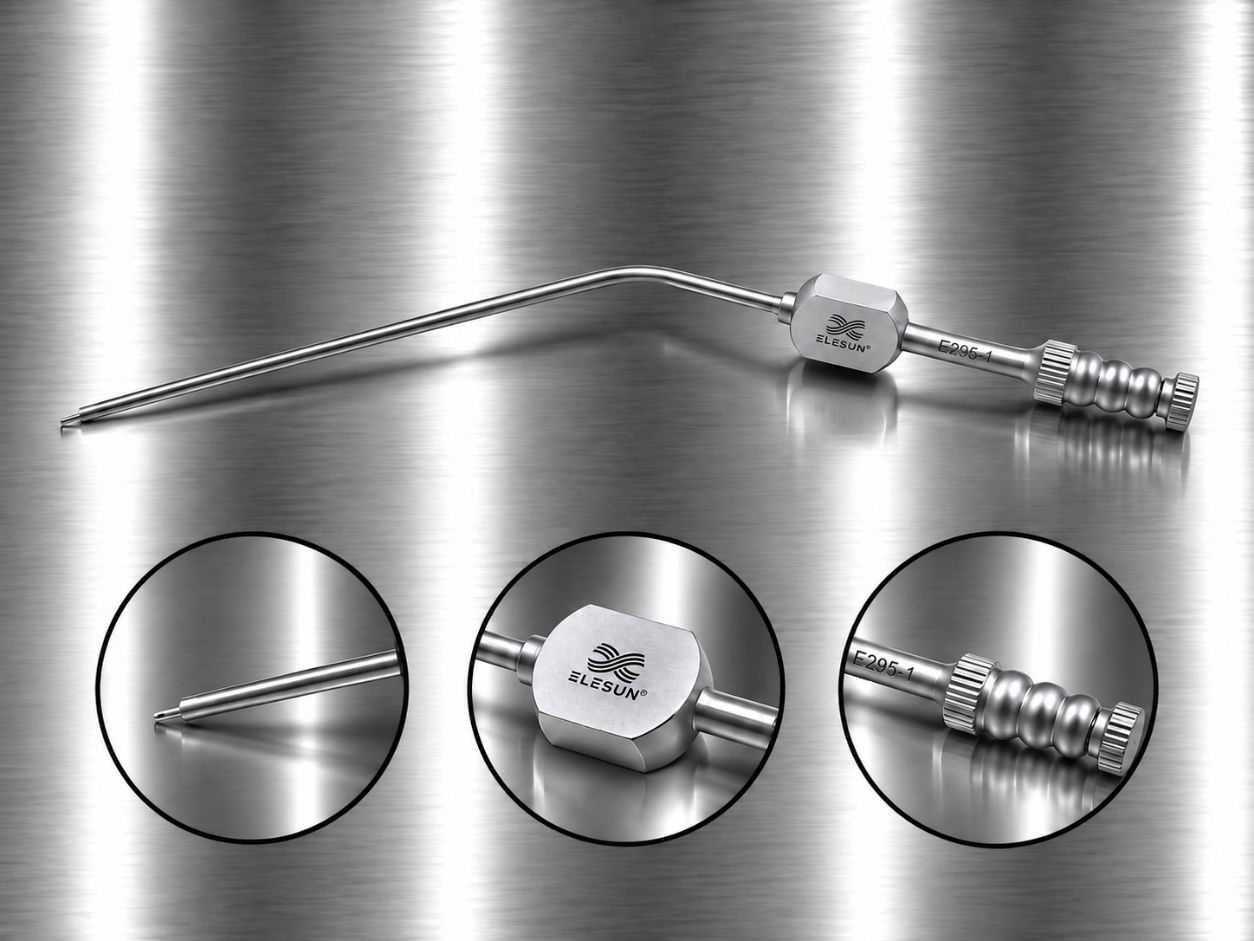
In classical operative technique (Kirk, 2010), curved tips allow continuous visual tracking of the working edge along natural tissue planes and facilitate reaching around anatomical visual obstructions (as in microsurgical dissectors and nerve hooks).
Bayonet Configuration
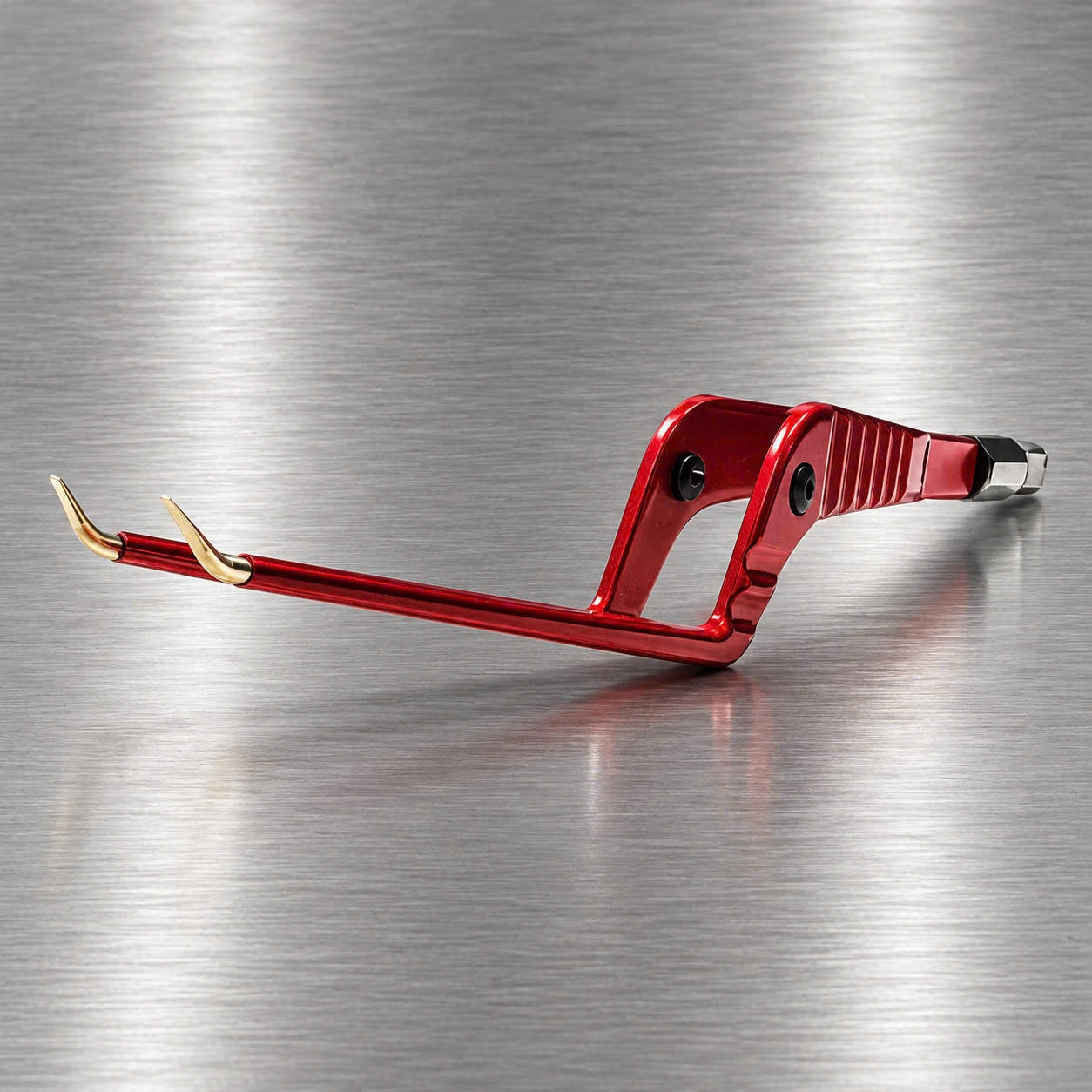
Developed in neurosurgery (Yaşargil 1969/1984; Rhoton 2003), the bayonet offset shifts the handle and surgeon's hand away from the central optical axis, helping reduce visual obstruction under the operating microscope. However, as noted by Rhoton (2003), axial rotation causes the bayonet tip to sweep through a wider arc rather than remaining centered on axis like straight tools.
| Shaft Profile | Force Transmission | Line-of-Sight Clearance | Typical Clinical Context |
|---|---|---|---|
| Straight | Collinear axial transfer, minimal bending moment | Handle aligns with tip axis, may occlude deep views | Superficial wounds, direct visual access, linear tissue holding |
| Curved | Forces distributed along arc, enables tissue gliding | Maintains continuous tip visibility along tissue planes | Soft tissue dissection, vascular dividing scissors |
| Angled | Leverage moment at elbow bend, requires controlled grip | Circumvents bony ridges and protective tissue ledges | Sinonasal access, skull base, nerve root manipulation |
| Bayonet | Arc sweep during rotation; stable longitudinal force | Shifts handle away from microscope optical corridor | Microneurosurgery, posterior fossa, deep microvascular work |
1. Straight
Collinear- Force Transmission:
- Collinear axial transfer, minimal bending moment
- Line-of-Sight Clearance:
- Handle aligns with tip axis, may occlude deep views
- Typical Clinical Context:
- Superficial wounds, direct visual access, linear tissue holding
2. Curved
Planar Tracking- Force Transmission:
- Forces distributed along arc, enables tissue gliding
- Line-of-Sight Clearance:
- Maintains continuous tip visibility along tissue planes
- Typical Clinical Context:
- Soft tissue dissection, vascular dividing scissors
3. Angled
Obstruction Bypass- Force Transmission:
- Leverage moment at elbow bend, requires controlled grip
- Line-of-Sight Clearance:
- Circumvents bony ridges and protective tissue ledges
- Typical Clinical Context:
- Sinonasal access, skull base, nerve root manipulation
4. Bayonet
Offset Corridor- Force Transmission:
- Arc sweep during rotation; stable longitudinal force
- Line-of-Sight Clearance:
- Shifts handle away from microscope optical corridor
- Typical Clinical Context:
- Microneurosurgery, posterior fossa, deep microvascular work
3. Working-End Geometry and Tissue Mechanical Interaction
The working-end represents the critical physical interface between metallic instrumentation and biological tissue. Its geometric profile directly relates to mechanical tissue shearing, grasp retention, and contact forces.
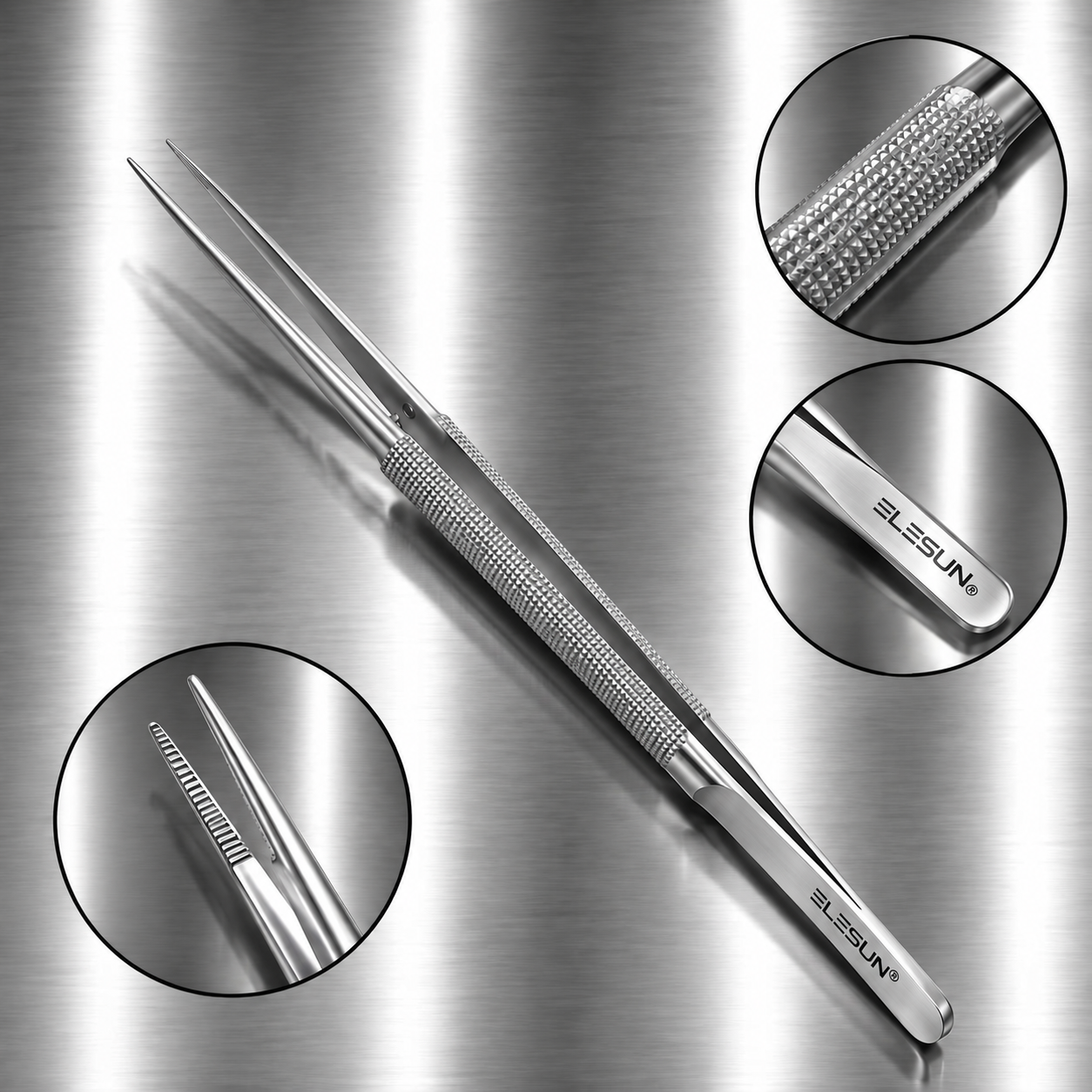
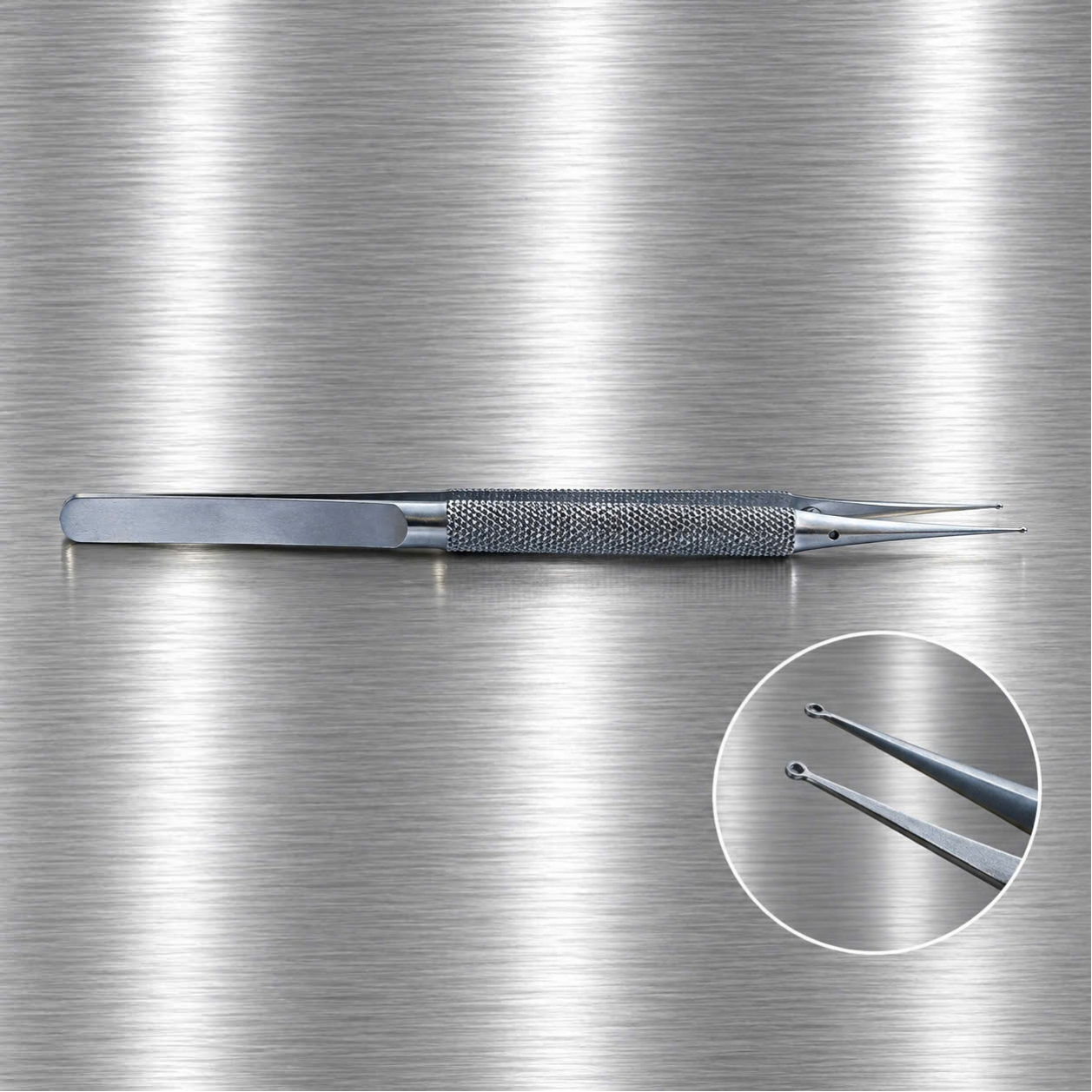
Shearing vs. Tissue Compression Mechanics
Surgical scissors divide tissue via a shearing mechanism at the moving contact point between sharpened blades. When blades become dull, loose, or misaligned, tissue is subjected to compressive crushing between the faces prior to division, increasing localized tissue deformation. Blade edge retention is closely linked to metallurgical alloy hardness detailed in Surgical Instrument Materials & Standards.
Contact Interfaces: Smooth, Serrated, and Micro-Toothed
Smooth tips present a flat surface profile that minimizes tooth-induced mechanical trauma to vascular adventitia or neural sheaths when grip pressure is controlled; serrated surfaces or micro-grooves increase mechanical friction to limit tissue slippage during tensioning or dissection.
4. Handle Architecture, Mechanical Leverage, and Ergonomic Factors
Surgical ergonomics plays an important role in supporting surgeon operating posture. Research by Nguyen, Berguer et al. (2001) demonstrated that sustained awkward postures and static muscle loading impose significant musculoskeletal fatigue on the neck, shoulder, and upper extremity compartments.
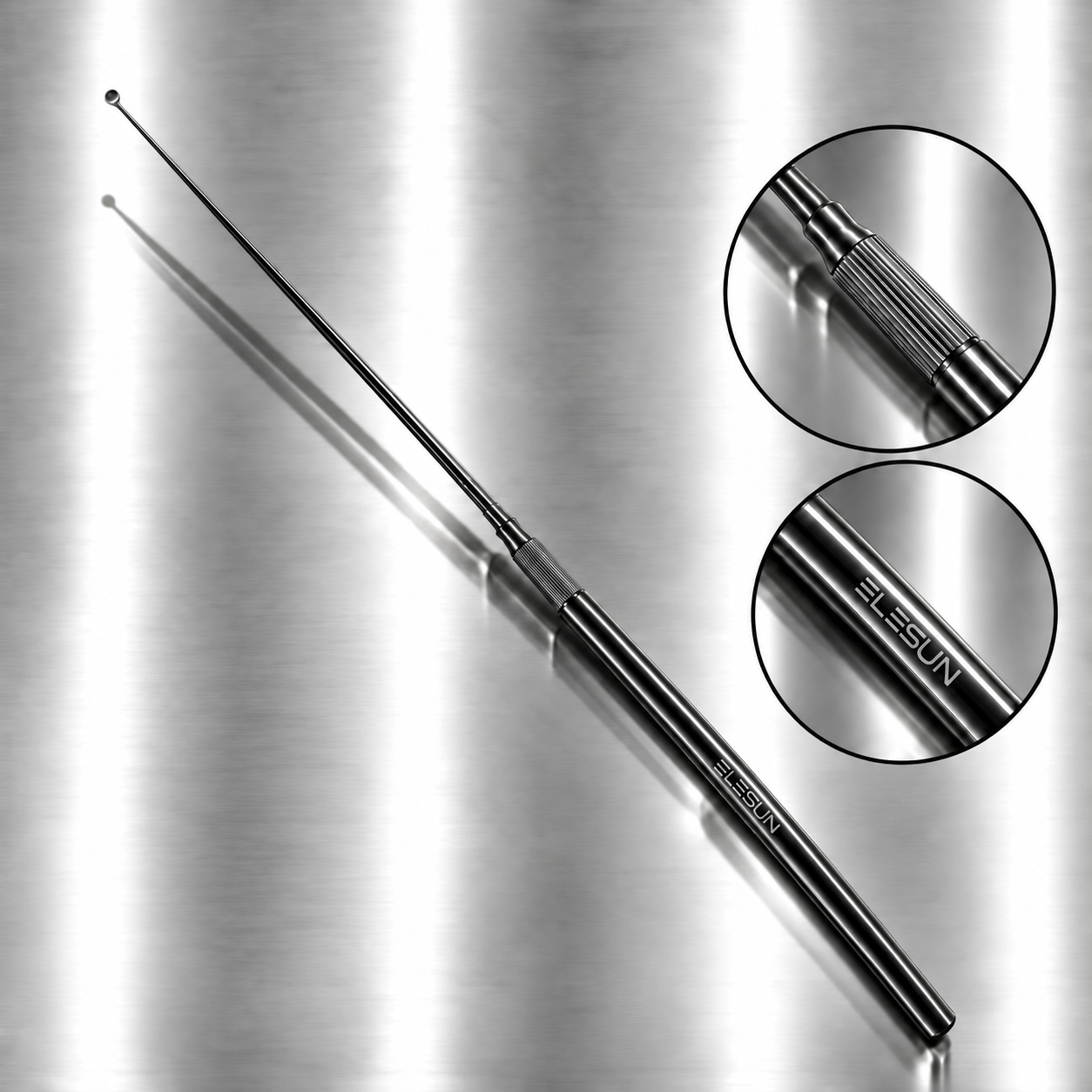
Round Handles
As documented by Rhoton (2003), cylindrical round handles allow the surgeon to perform subtle rolling motions between thumb and index finger (a pencil grip), facilitating smooth axial rotation and tip redirection without requiring full wrist rotation. This profile is widely utilized in microsurgical dissectors and probes.
Flat Spring Handles
Flat spring bodies deliver distinct tactile spring resistance along a single plane, reinforcing tactile orientation during straightforward dissection tasks that do not demand multi-axis axial reorientation. Selection depends on surgeon handling preference and procedural objectives.
Linkage mechanisms such as single-action hinges or compound double-action linkages provide different mechanical advantages depending on lever arm ratios, joint friction, and manufacturer design specifications, helping to modulate the required grip force when resecting dense bone.
5. Technical Specifications to Verify When Selecting Surgical Instruments
When assessing and procuring surgical instrumentation for clinical facilities, mechanical parameters must be verified against manufacturer design criteria and applicable standards:
- Co-axiality and Tip Alignment: When closed, working tips should achieve alignment within manufacturer tolerance limits, without gross off-center displacement or scissor crossing that could compromise performance.
- Hinge and Joint Integrity: Articulated box locks or screw joints should operate smoothly, with friction evenly distributed across their range of motion and conforming to manufacturer design tolerances.
- ISO 7151:2024 Quality Framework: For non-cutting articulated instruments, ISO 7151:2024 establishes standards for metallic materials (ISO 7153-1), branch elasticity, and autoclave corrosion/thermal resistance under ISO 13402.
- Cleaning Solution Accessibility: Hinges, narrow gaps, and internal sliding channels may present cleaning-access challenges during reprocessing. Cleaning and reprocessing procedures must strictly comply with validated manufacturer Instructions for Use (IFU), following the principles outlined in Reprocessing & Sterilization Principles.
6. Scope Boundaries: Bridging General Principles to Specialty Instrument Configurations
ELESUN organizes its surgical instrument portfolio around the synthesis of metallurgical material standards and procedural anatomical geometries. From offset-shaft Yasargil Titanium Micro-Scissors for neurosurgery to spinal bone rongeurs, each configuration is classified according to defined clinical use categories and published technical specifications.
Frequently Asked Questions (FAQ)
Under what surgical conditions does a bayonet configuration provide mechanical and visual advantages?
A bayonet configuration offsets the handle from the central visual axis, preserving optical clearance under operating microscopes or within deep, narrow surgical corridors. This may help reduce obstruction of the working tips by the surgeon's hand, though rotating the tool causes the tip to sweep through an arc rather than remaining centered on axis like a straight tool.
How do working length and total length differ across distinct surgical instrument families?
Working length is a catalog parameter typically applied to shafted tools (like Kerrison rongeurs or endoscopic instruments), measured from the shaft stop/collar to the distal tip, defining accessible reach according to manufacturer specifications. Total length designates the overall physical dimension of handheld tools (such as micro-forceps or scissors).
Why do round-body microsurgical forceps facilitate rotational control compared to flat handles?
Cylindrical round handles permit fine rolling between the thumb and index finger (pencil grip), enabling smooth axial rotation to redirect the tips without requiring wrist rotation. Flat handles conversely reinforce tactile orientation along a single plane for linear grasping tasks.
How does the geometric design of hinges and shafts affect cleaning solution accessibility?
Enclosed box locks or narrow sliding tracks may present cleaning-access challenges during reprocessing. Open configurations or detachable joints can facilitate detergent contact across functional metallic interfaces; reprocessing procedures must always follow validated manufacturer IFUs.
References
- ISO 7151:2024. Surgical instruments — Non-cutting, articulated instruments — General requirements and test methods. International Organization for Standardization.
- Rhoton, A.L. Jr. (2003). Operative techniques and instrumentation for neurosurgery. Neurosurgery, 53(4): 907–934. DOI: 10.1227/01.NEU.0000086737.96693.0F.
- Nguyen, N.T., Ho, H.S., Smith, W.D., Philipps, C., Lewis, C., De Vera, R.M., Berguer, R. (2001). An ergonomic evaluation of surgeons' axial skeletal and upper extremity movements during laparoscopic and open surgery. The American Journal of Surgery, 182(6): 720–724.
- Kirk, R.M. (2010). Basic Surgical Techniques, 6th Edition. Elsevier Churchill Livingstone. ISBN: 978-0-7020-3390-2.
- Yaşargil, M.G. (1969/1984). Microneurosurgery, Vol. 1. Georg Thieme Verlag.