ELESUN Surgical Instrument
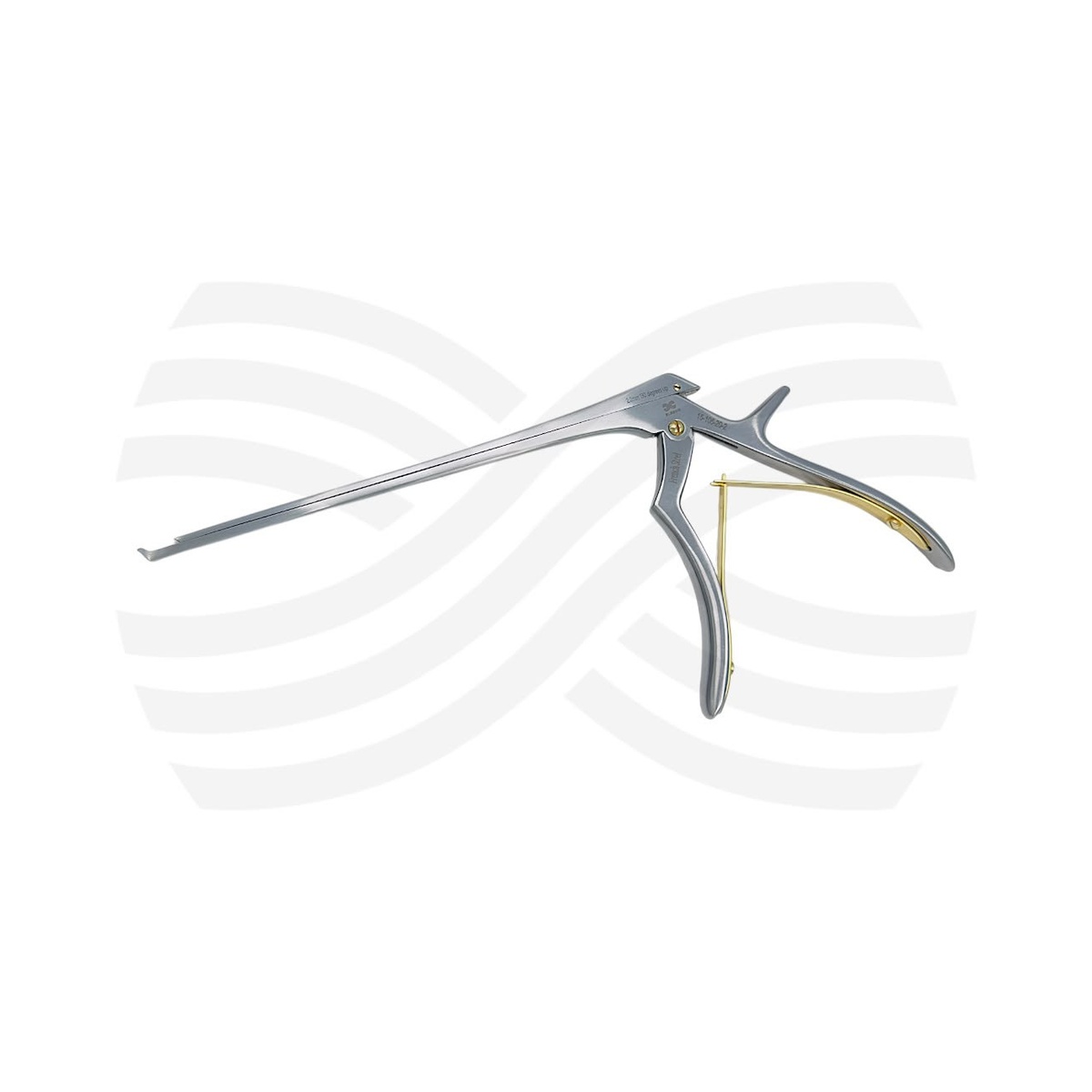
Kerrison Rongeur 40°
Spinal decompression rongeur featuring a thin footplate, 40° up-bite, and ejector mechanism for laminar resection.

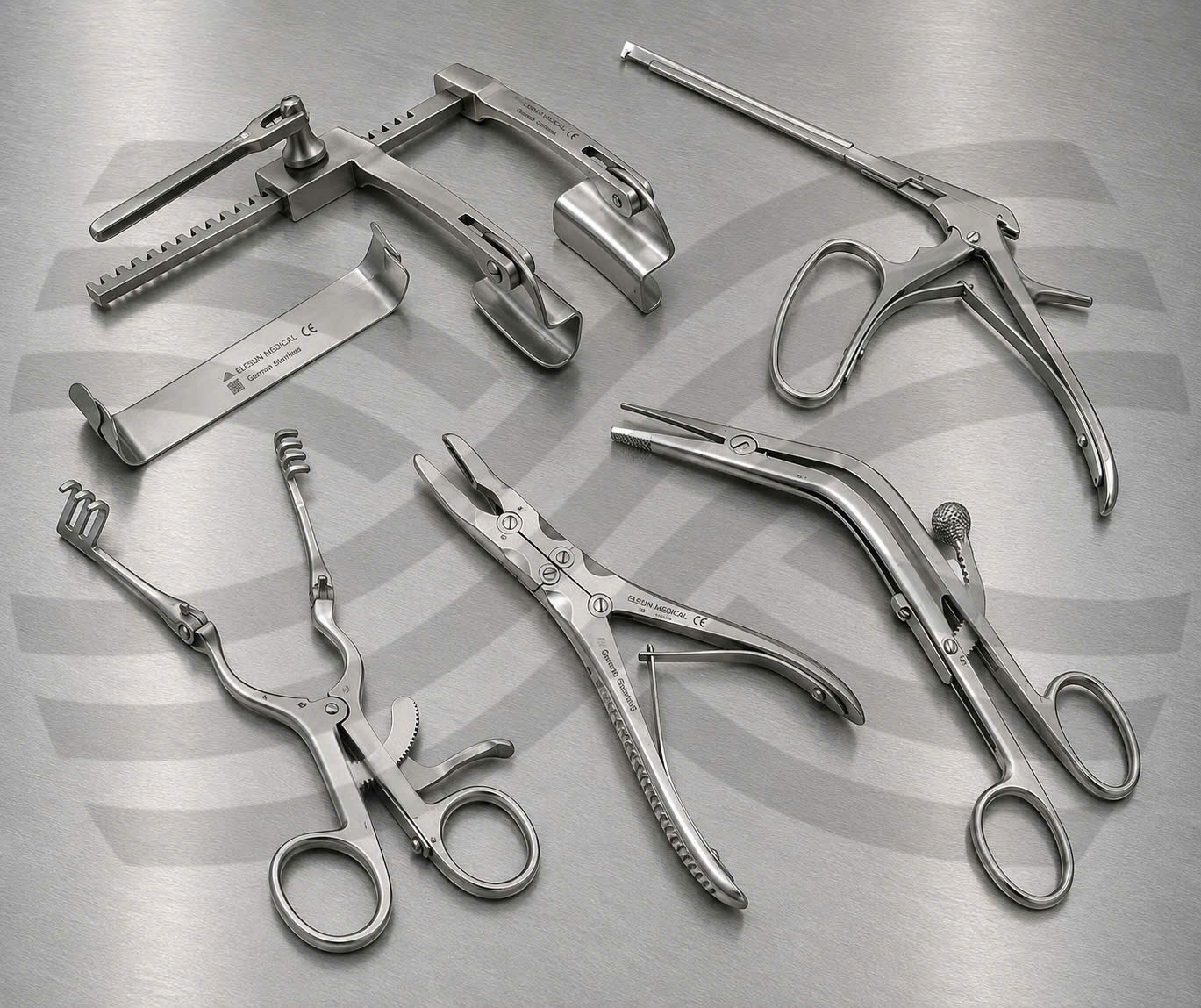
Specialized neurosurgical instruments, cranial microsurgery tools, and spine surgery instrument solutions engineered for delicate dissection, neurological decompression, and reliable surgical field control.
Spinal decompression rongeur featuring a thin footplate, 40° up-bite, and ejector mechanism for laminar resection.
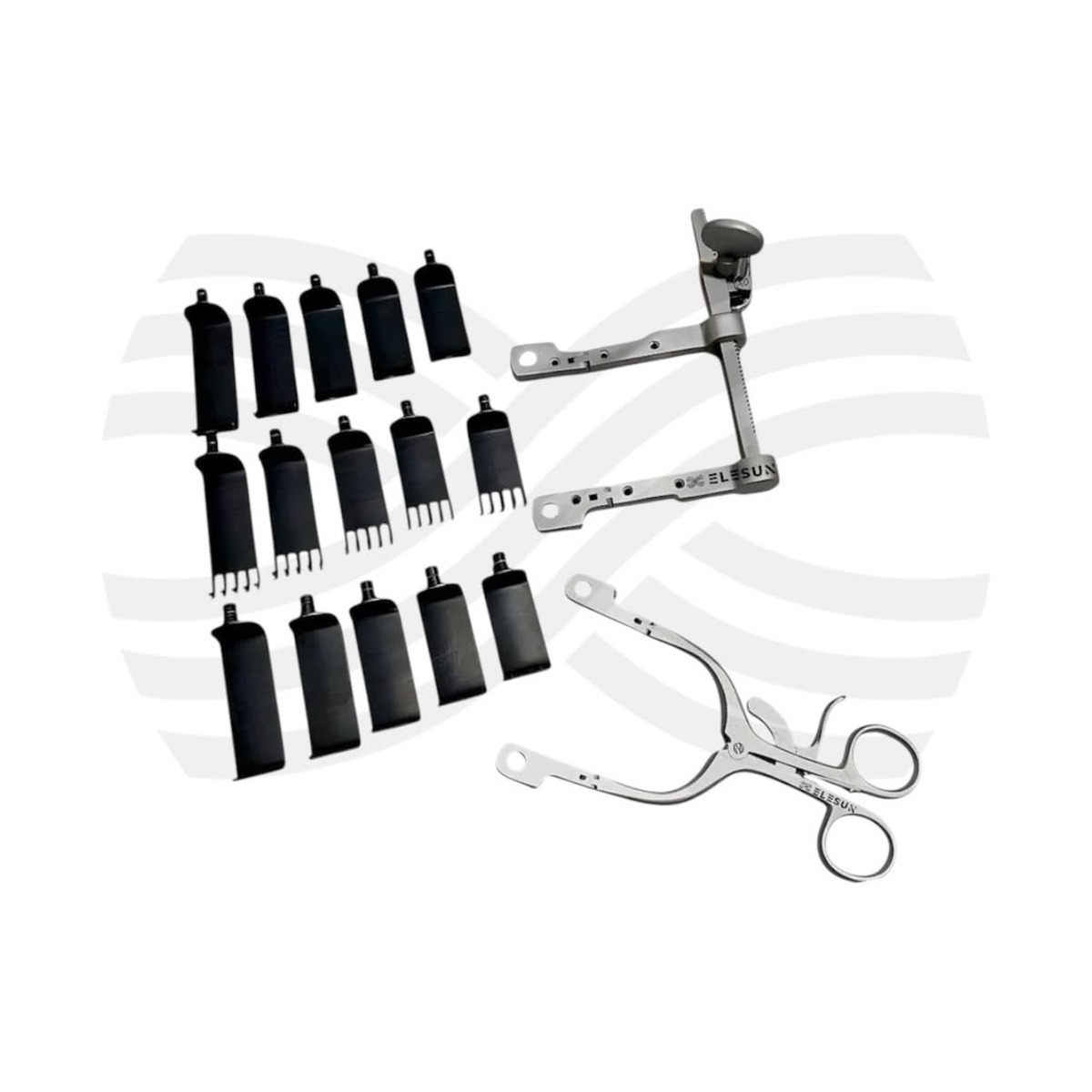
Anterior cervical retractor system with blunted and toothed fenestrated blades for secure operative visualization.
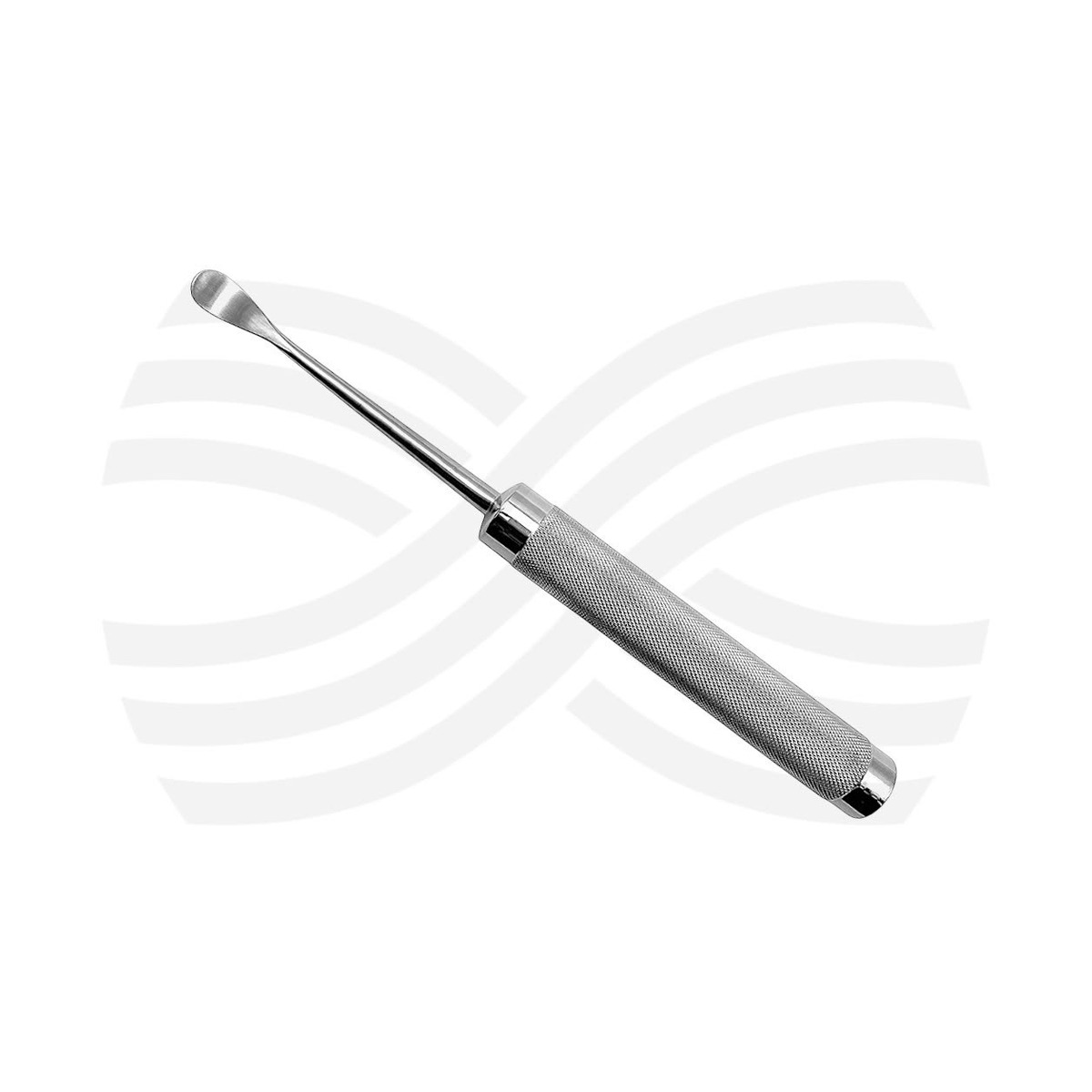
Spinal periosteal elevator engineered with ergonomic knurled handle for controlled subperiosteal tissue elevation.
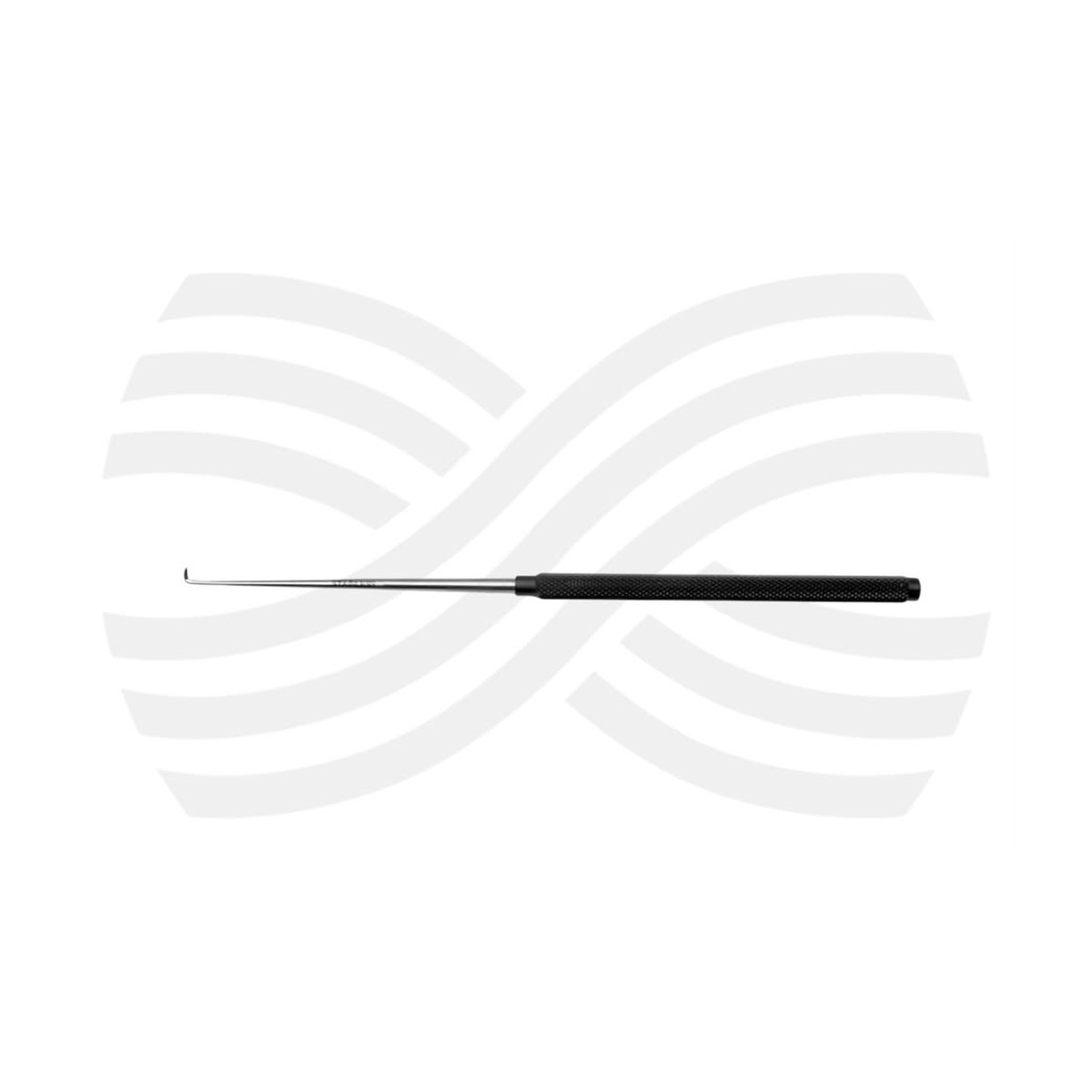
Delicate curved micro-dissector designed for atraumatic separation of dura mater from adjacent cranial or spinal bone.
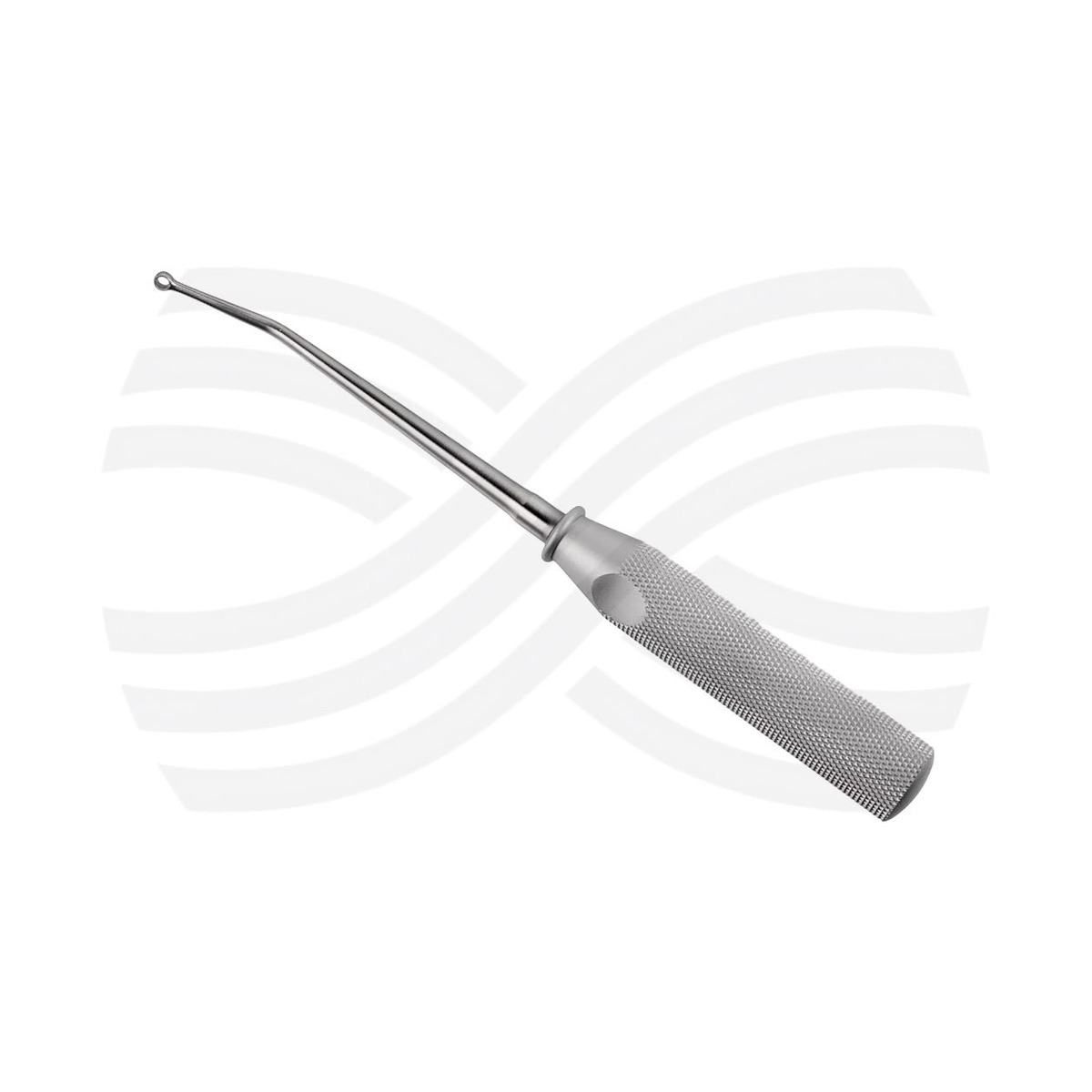
Endplate preparation curette with sharp oval cup and angled shaft for precise cartilaginous debridement.
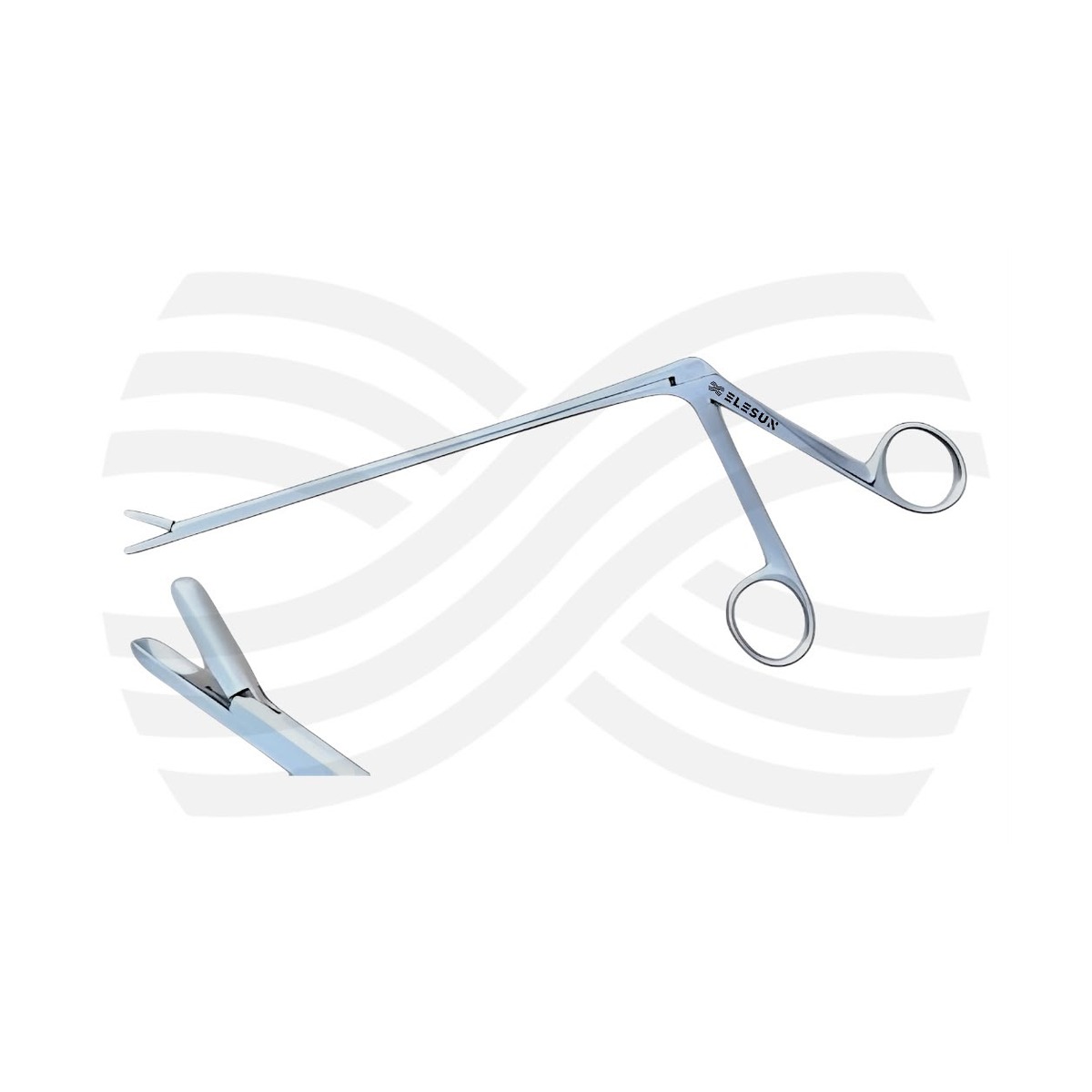
Precision cup forceps for intervertebral disc fragment retrieval and delicate neurosurgical resection.
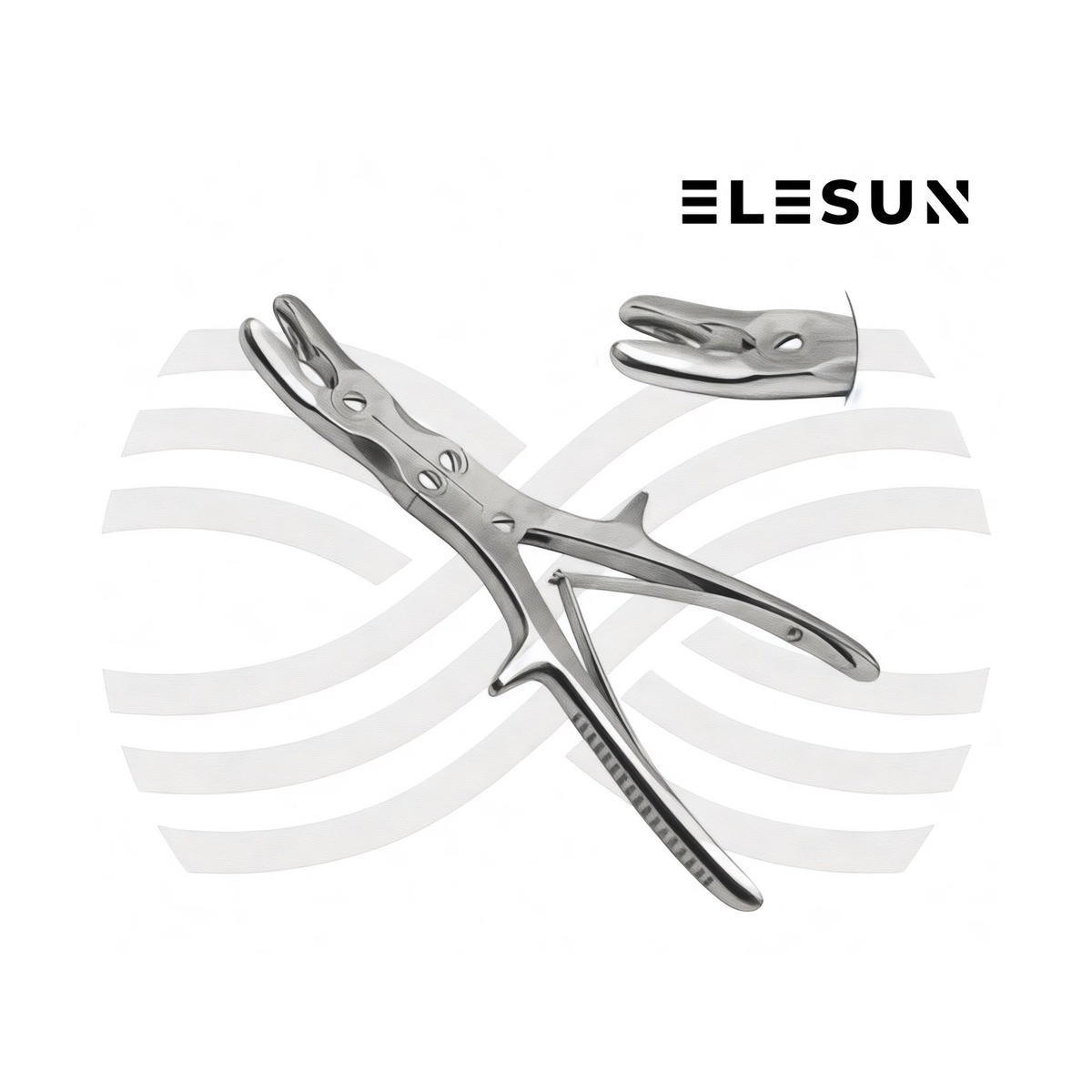
Double-action bone rongeur providing high mechanical advantage for laminar resection and posterior spinal decompression.
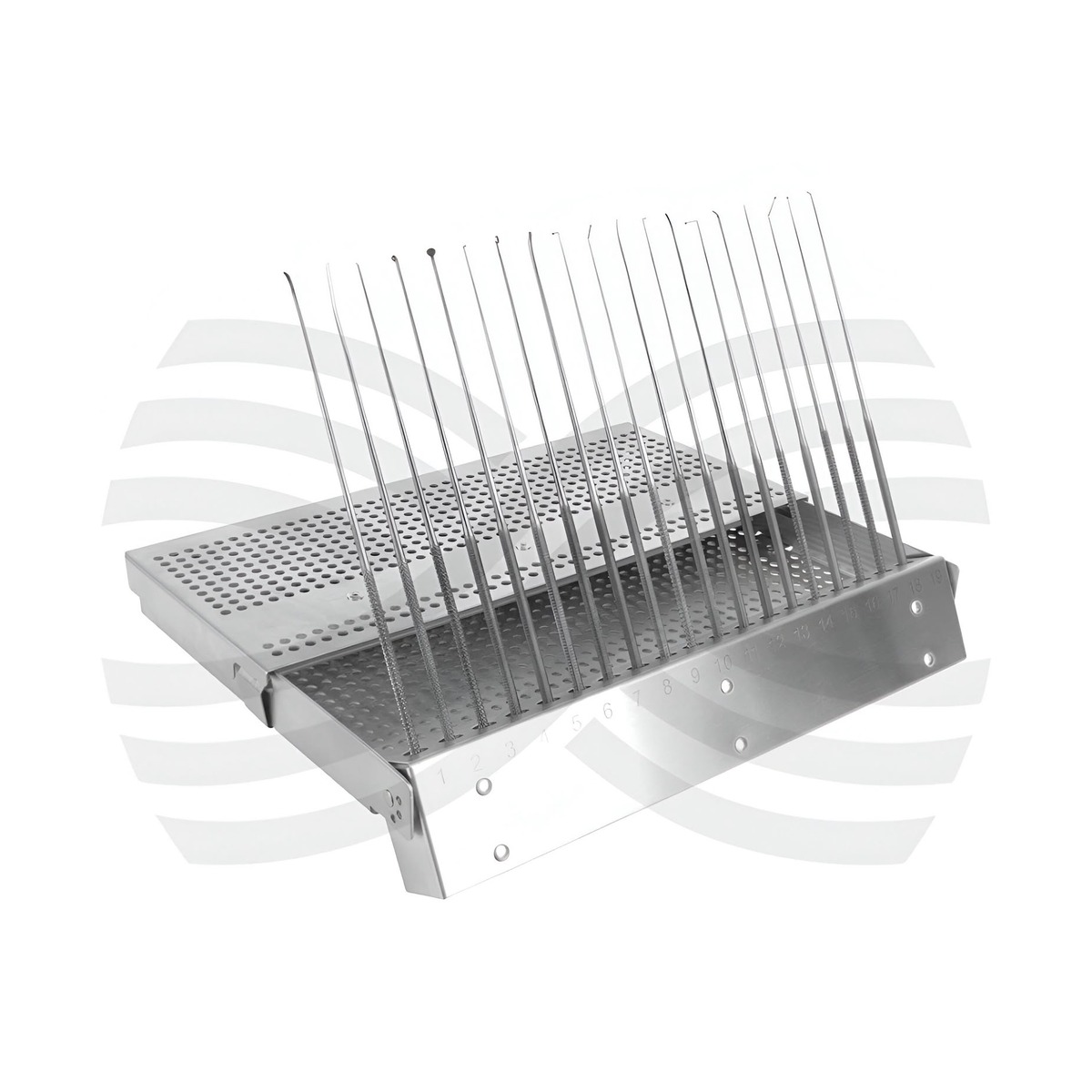
Representative microsurgical instrument set featuring assorted dissectors and probes with dedicated sterilization rack.
Comprehensive mechanical parameters, metallurgical standards, and instrument ecosystem specifications for cranial microsurgery and spinal interventions.
Neurosurgical microsurgery demands instrument systems with exceptional mechanical precision, authentic tactile force feedback, and calibrated working dimensions for deep and narrow operative corridors.
During intracranial and cerebrovascular procedures under high-magnification surgical operating microscopes, every movement of the surgeon must be transmitted smoothly to the working tip to protect surrounding eloquent neural tissue and microvessels.
Among microsurgical cutting instruments, Yasargil Titanium neurosurgical microscissors represent an established benchmark utilizing lightweight titanium alloy, optimal center-of-gravity balance, and dual leaf springs to reduce digital muscular fatigue during lengthy microsurgical procedures.
In addition to micro scissors, specialized micro neurosurgical dissectors developed around classic Rhoton micro-patterns provide surgeons with delicate arachnoid dissection and cranial nerve exposure capabilities without unnecessary mechanical collateral stress.
Cranial neurosurgery encompasses procedures ranging from standard craniotomies to complex skull-base approaches requiring coordinated performance between bone-modifying tools and soft-tissue exposure systems.
Surgical access to intracranial lesions demands robust mechanical rigidity to perform precise osteotomies and bone decompression while maintaining absolute protection of the underlying dura mater and cerebral cortex.
The anatomical curve of the curved dural dissector enables surgeons to peel the dura cleanly from the cranial bone, while the Kerrison rongeur 4.0mm with thin footplate delivers crisp cutting edges that minimize mechanical vibration against vital neurovascular structures.
Spine surgery requires instruments capable of withstanding substantial mechanical forces during paraspinal muscle exposure, laminectomy, ligamentum flavum resection, and intervertebral disc preparation.
Whether undertaking anterior cervical discectomy or posterior lumbar decompression and stabilization, safeguarding the spinal cord, exiting nerve roots, and cauda equina governs instrument design and selection.
In anterior cervical procedures, the Caspar cervical retractor system provides reliable vertebral body exposure; the Cobb spinal elevator enables rapid paraspinal dissection; pituitary cup forceps together with double-action laminectomy rongeurs form a comprehensive procedural set for surgical spinal decompression.
The intersection of medical metallurgy and ergonomic engineering underpins the reliability of neurosurgical and spine instruments in modern surgical environments.
Each instrument family within the Neuro-Spine specialty is manufactured from material alloys calibrated to its specific clinical and mechanical task:
Titanium neurosurgical instruments are especially beneficial during prolonged microscopic procedures by reducing digital hand strain and enhancing tactile sensitivity during intricate maneuvers.
All instruments must be cleaned, disinfected, lubricated at joint mechanisms, and sterilized strictly in accordance with manufacturer IFU and hospital infection control guidelines.
ELESUN is dedicated to providing cohesive surgical instrument ecosystems with transparent technical specifications aligned with the rigorous workflow demands of neurosurgical and spine centers.
We partner with hospitals, neurosurgical departments, and healthcare procurement teams to deliver high-precision instrument solutions supported by comprehensive compliance documentation.
Healthcare professionals and hospital teams are invited to connect directly with ELESUN specialists to discuss tailored configurations or explore the full range of ELESUN surgical solutions supporting modern operating theaters.
Answers to common clinical questions regarding configuration, medical metallurgy, and instrument selection for neurosurgical and spine procedures.
In-depth technical articles on surgical metallurgy, geometrical design, and clinical reprocessing protocols.
Clinical decontamination workflow, pitting corrosion prevention, and specialty instrument lifespan preservation.
Mechanical properties of Martensitic, Austenitic steels and Titanium in high-stress surgical corridors.
Mechanical analysis of straight, curved, angled, and bayonet shaft configurations under surgical exposure.
ELESUN clinical specialists provide direct technical consultation for surgical teams and hospital procurement boards.