ELESUN Surgical Instrument
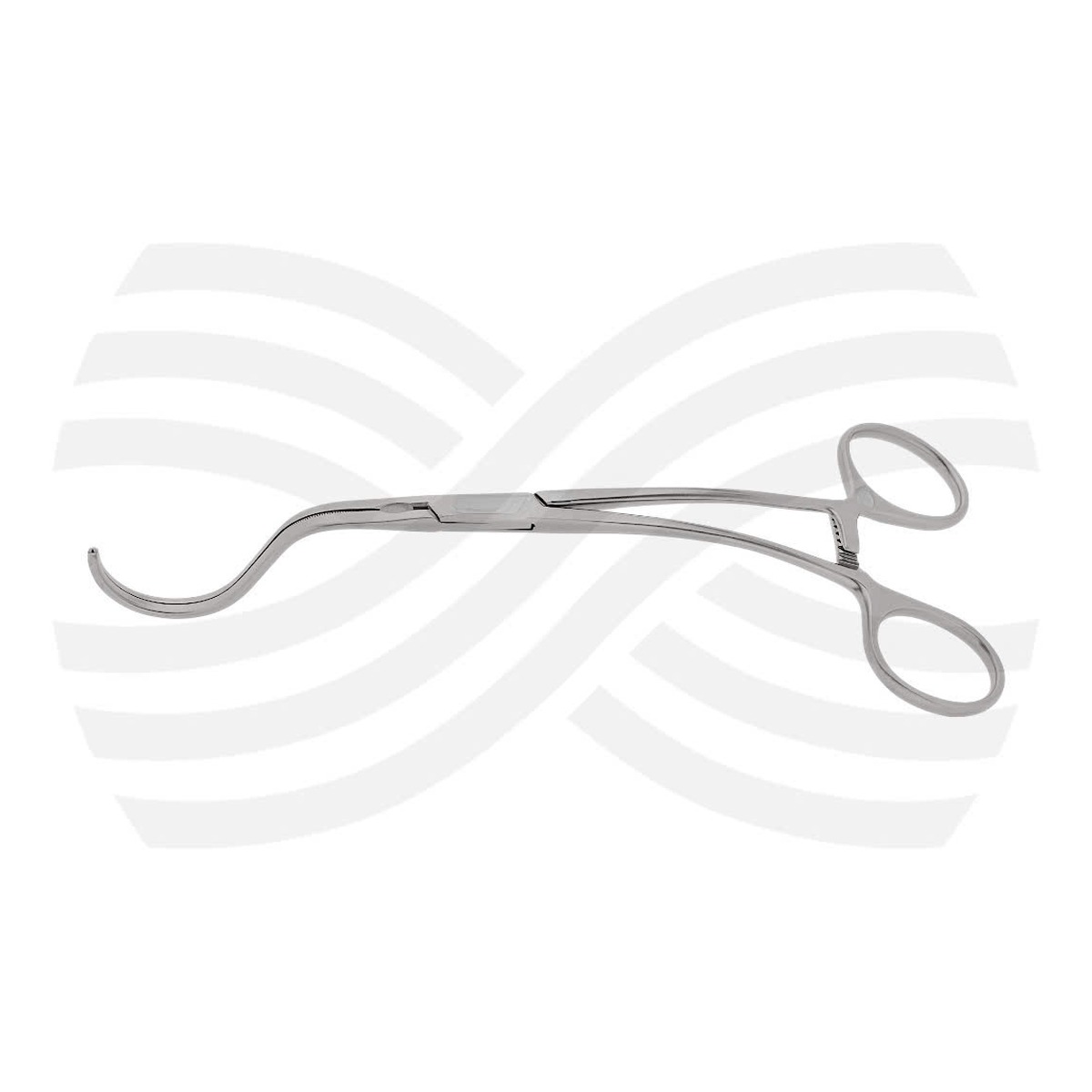
Satinsky Tangential Vascular Clamp
Satinsky pattern tangential vascular clamp with double-curved S-shaped jaws and ratchet lock.

Vascular clamps, dissection forceps, surgical scissors and needle holders for vascular surgical procedures.
Satinsky pattern tangential vascular clamp with double-curved S-shaped jaws and ratchet lock.
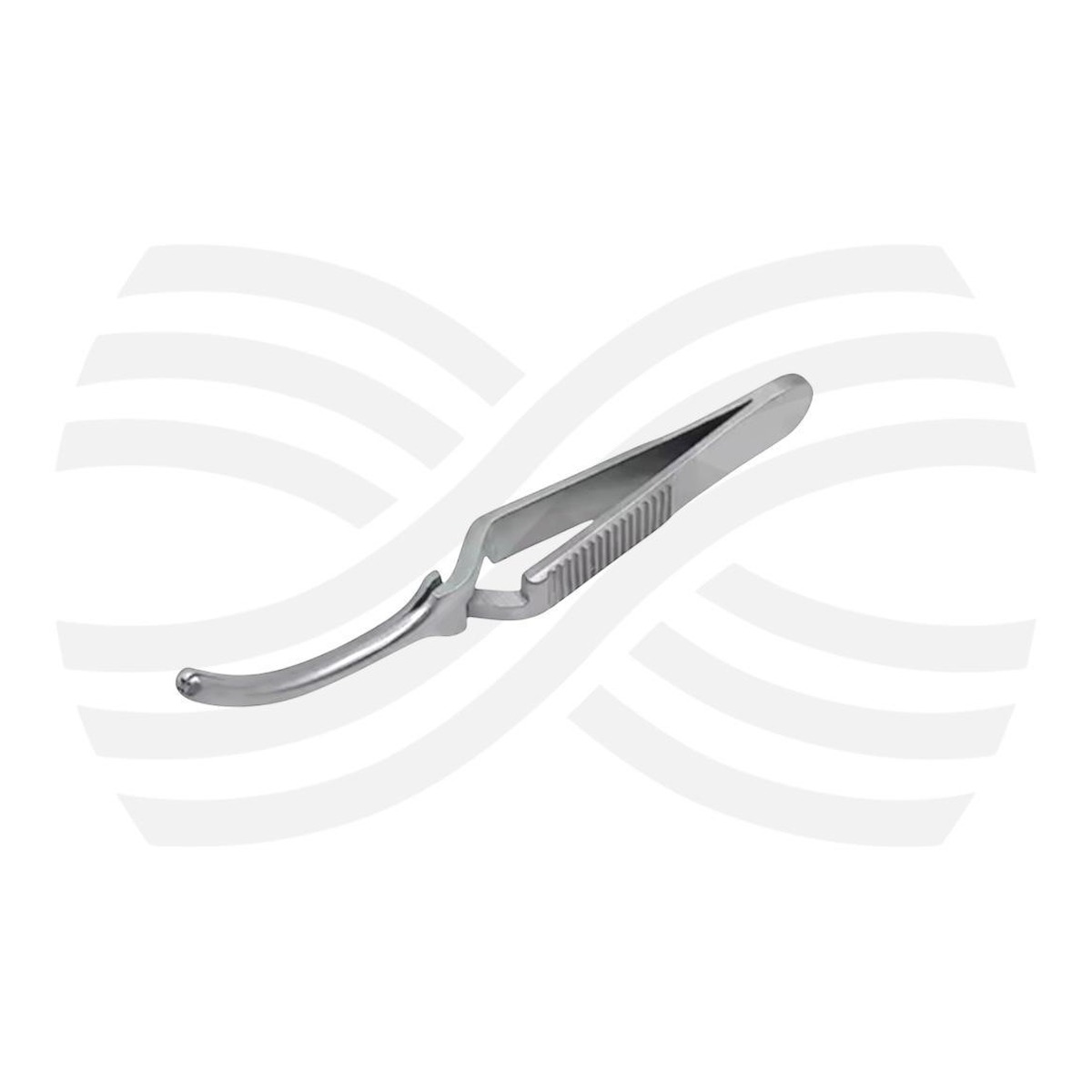
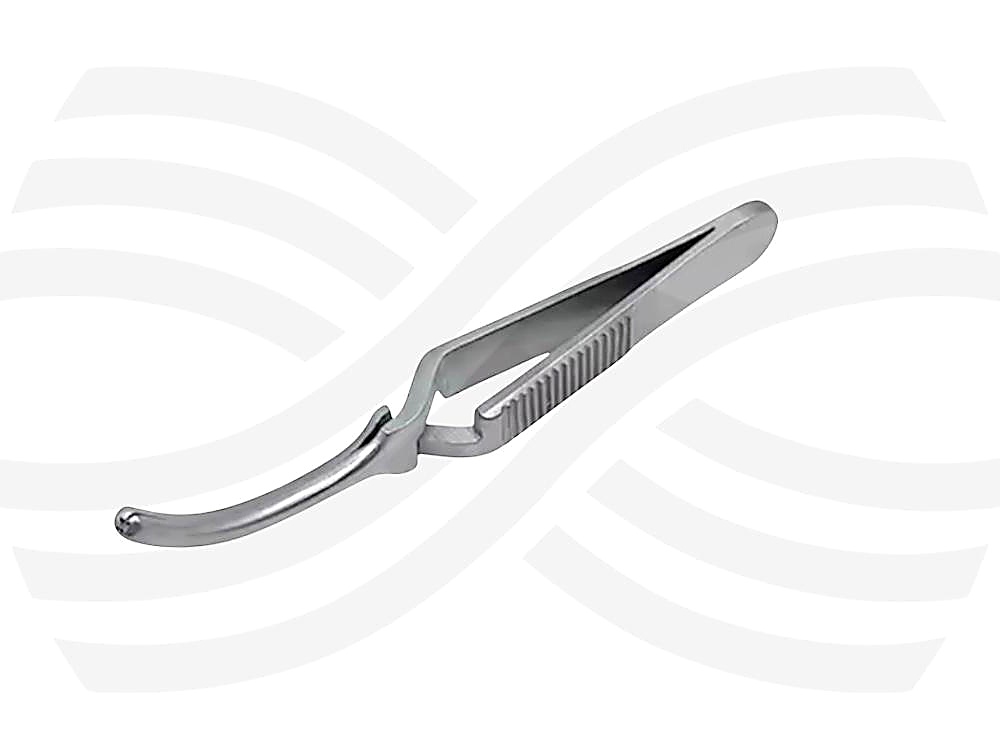
Bulldog vascular clamp with cross-action self-retaining spring mechanism.
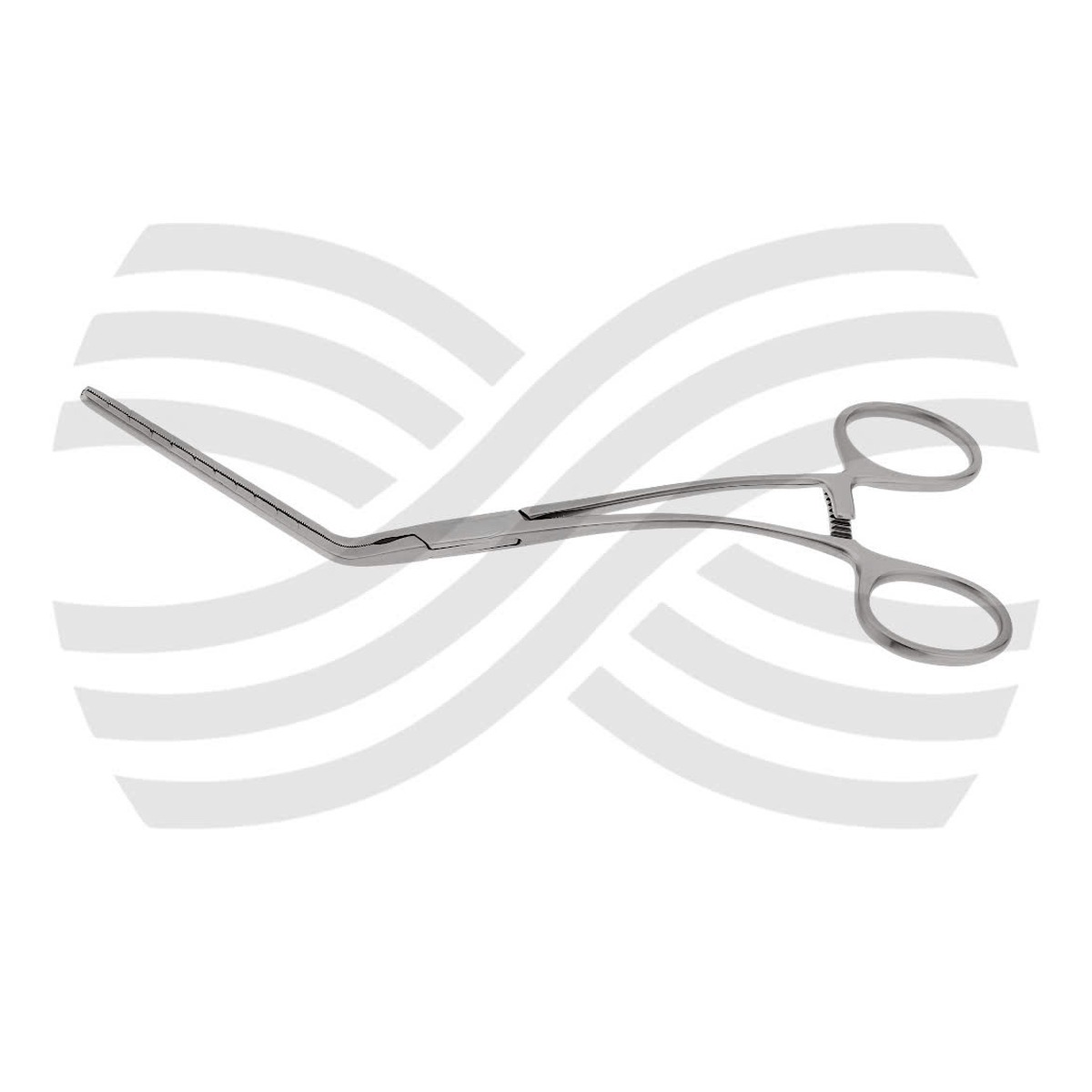
Angled peripheral vascular clamp with angled jaws and multi-position ratchet lock.
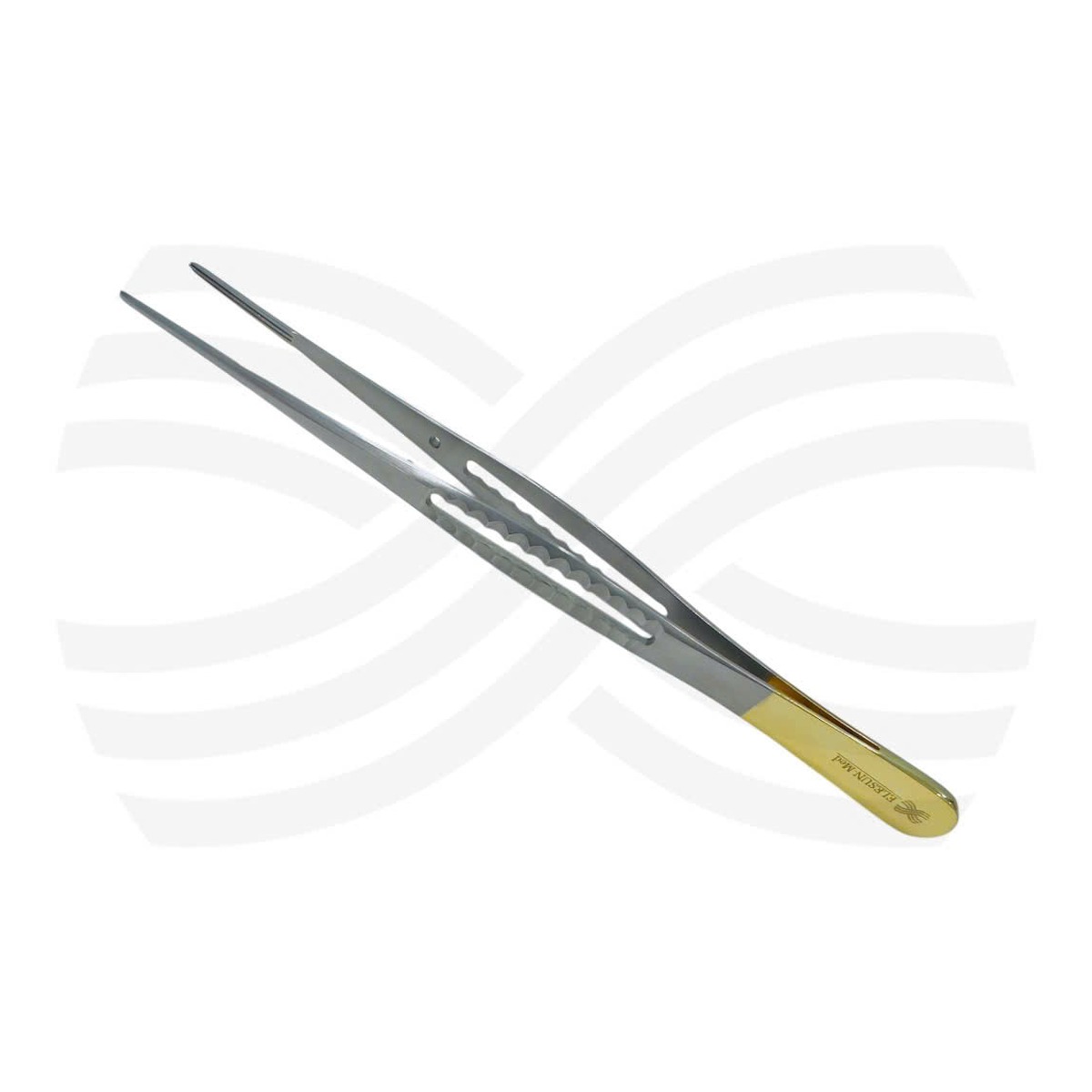
Straight vascular tissue forceps featuring tungsten carbide (TC) jaw inserts.
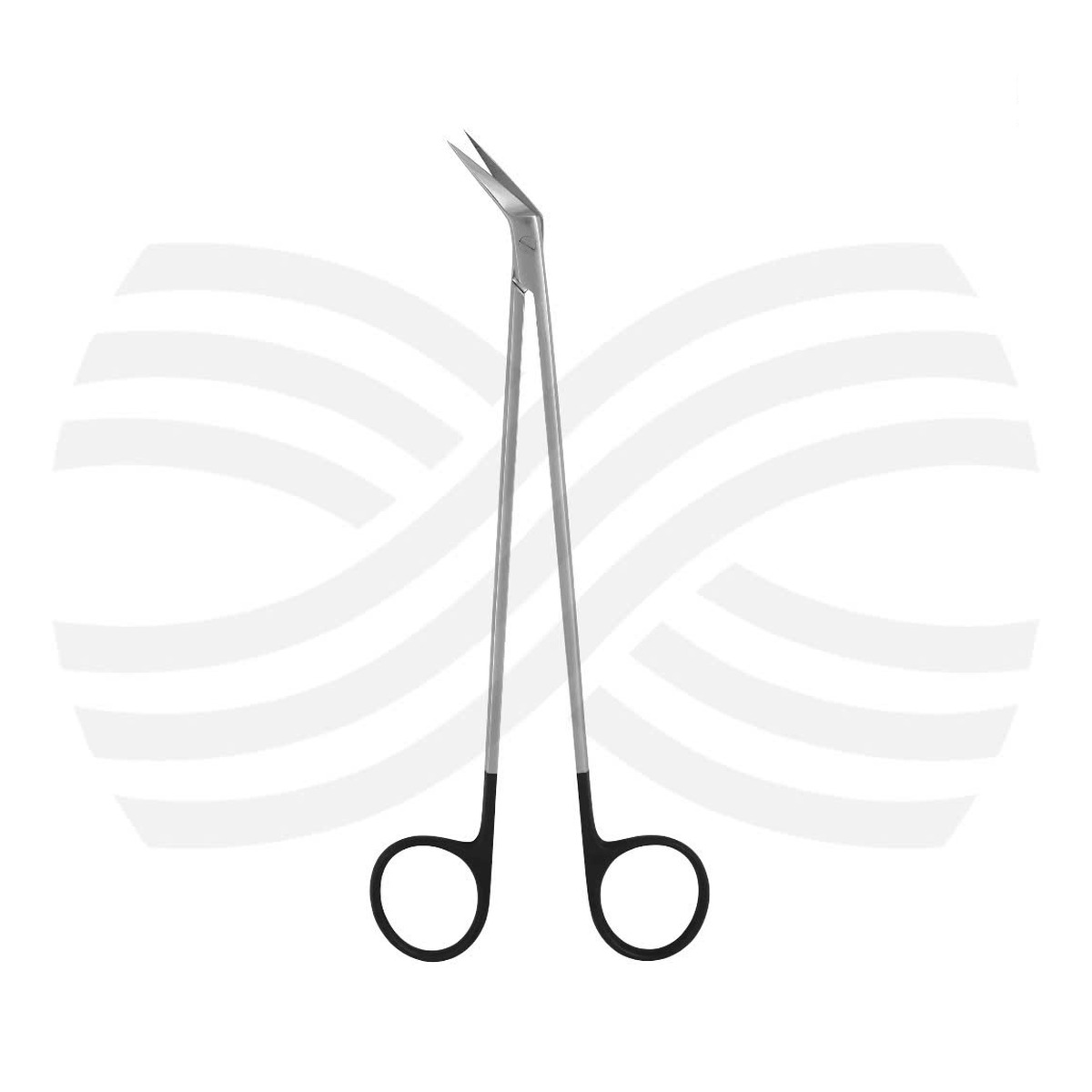
Potts-Smith pattern vascular scissors with angled blades and long slender shanks.
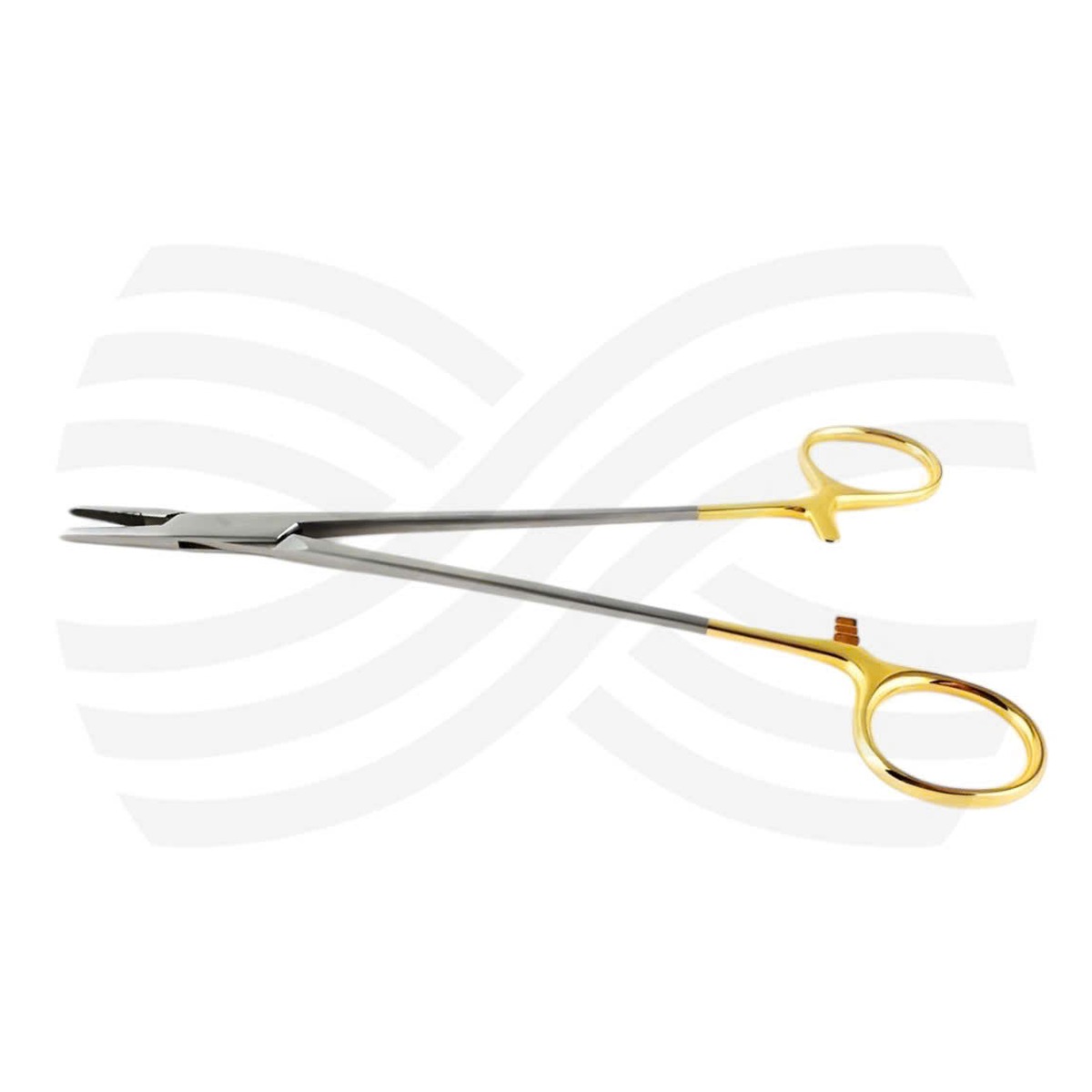
Long-shank vascular needle holder featuring tungsten carbide (TC) inserts.
Overview of vascular clamp design principles and instrumentation supporting vascular anastomosis procedures.
Satinsky clamps feature jaw designs intended for tangential clamping. Application scope depends on instrument configuration and clinical indications.
The double-curved S-shaped jaw combined with longitudinal serrations creates contact zones along the jaw length, while the multi-position ratchet lock allows surgeons to adjust closure according to vessel dimensions.
Instruments such as the Satinsky tangential vascular clamp and angled peripheral vascular clamp illustrate ratchet-controlled vascular clamping in deep operative fields.
Bulldog vascular clamps utilize cross-action self-retaining spring mechanics designed for temporary occlusion of peripheral vessels or minor vascular branches.
The cross-action lever design allows jaws to close automatically under integrated spring tension upon release, freeing operative space without requiring assistance to hold the instrument.
The Bulldog vascular clamp represents a standard self-retaining solution for temporary vascular branch occlusion.
DeBakey pattern vascular tissue forceps featuring fenestrated shanks and tungsten carbide (TC) inserts assist in grasping and dissecting vascular tissue.
Longitudinal shank fenestrations and tungsten carbide jaw inserts represent key structural characteristics of the featured design.
The DeBakey vascular tissue forceps with TC jaws exemplifies precision metallurgy combining surgical steel with carbide inserts. See the article on surgical instrument materials and metallurgy standards for surgical stainless steel standards under ASTM F899.
Potts-Smith pattern vascular scissors with angled blades and long slender shanks are designed for arteriotomy incisions and vascular tissue trimming.
The angled blade design assists in accessing the operative corridor from different orientations, while long slender shanks maintain clear microscopic line-of-sight.
The Potts-Smith angled vascular scissors illustrates approach geometry optimization. Review detailed analysis in the article on surgical instrument selection and geometric design principles.
Long-shank vascular needle holders with TC jaws support suturing in deep operative fields. The open or locked status of instruments during cleaning and sterilization must strictly follow manufacturer IFU.
Vascular instruments featuring multi-position ratchets and serrated jaws require careful decontamination workflows to remove organic debris and safeguard articulated joint longevity.
Instruments such as the vascular needle holder with TC jaws require strict adherence to sterilization standards. Consult the monograph on surgical instrument reprocessing, cleaning & sterilization guide or explore the ELESUN surgical solutions portfolio across specialty disciplines.
In-depth technical articles on surgical metallurgy, geometrical design, and clinical reprocessing protocols.
Clinical decontamination workflow, pitting corrosion prevention, and specialty instrument lifespan preservation.
Mechanical properties of Martensitic, Austenitic steels and Titanium in high-stress surgical corridors.
Mechanical analysis of straight, curved, angled, and bayonet shaft configurations under surgical exposure.
ELESUN clinical specialists provide direct technical consultation for surgical teams and hospital procurement boards.