ELESUN Surgical Instrument
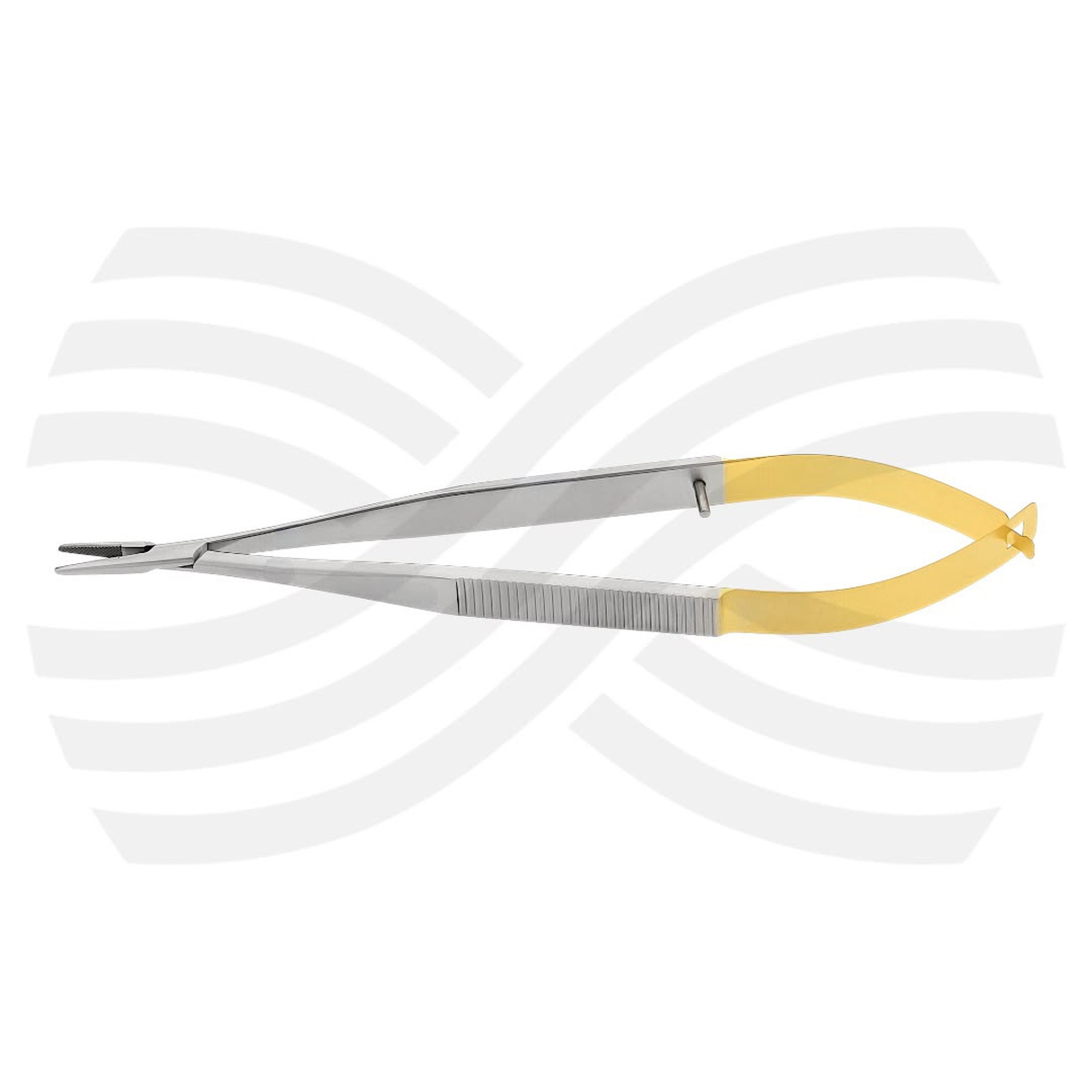
Castroviejo Spring Micro Needle Holder (TC)
Castroviejo pattern spring micro needle holder with catch mechanism and straight tungsten carbide (TC) jaws.

Micro scissors, micro forceps and micro needle holders for microsurgical procedures.
Castroviejo pattern spring micro needle holder with catch mechanism and straight tungsten carbide (TC) jaws.
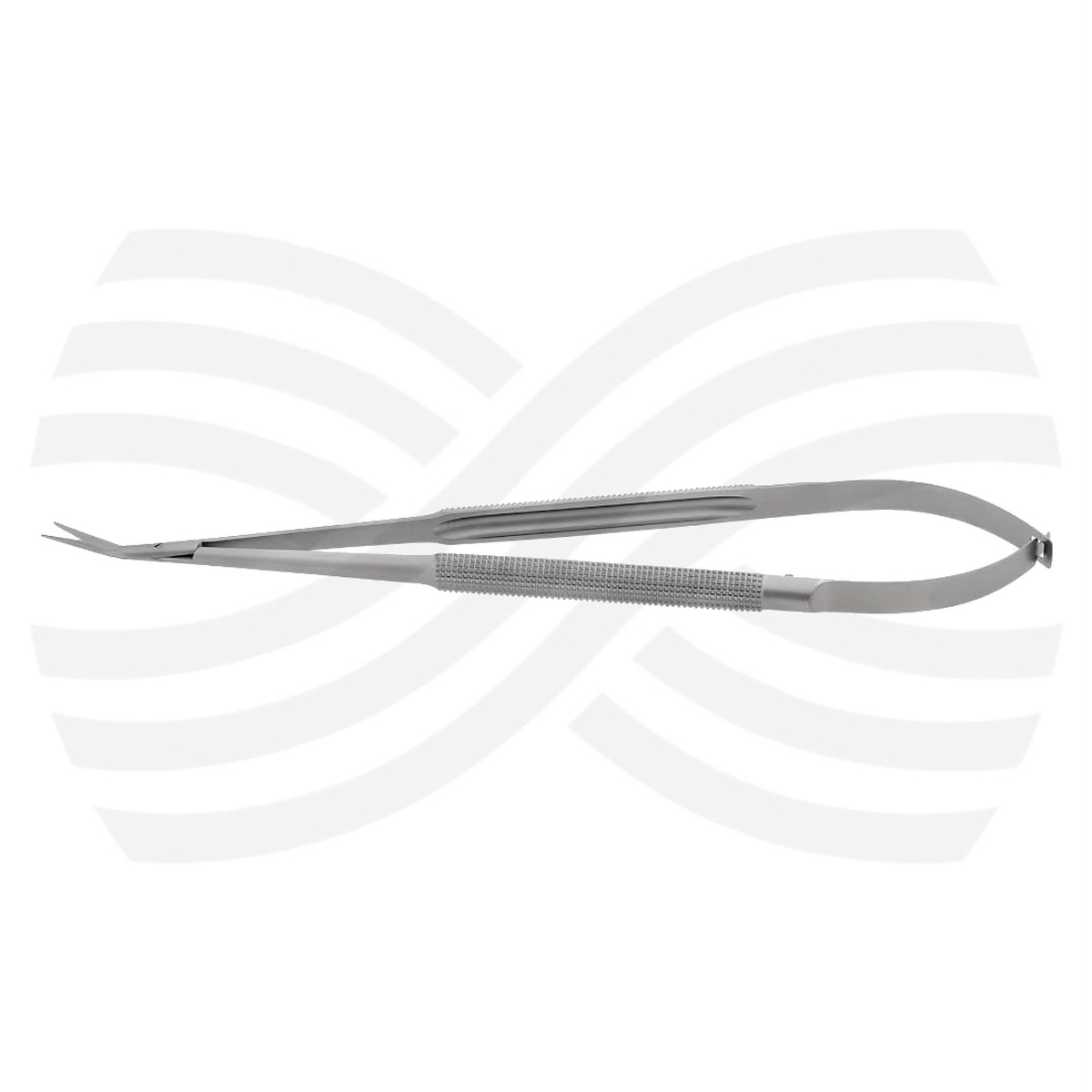
Curved micro spring scissors designed for delicate micro-tissue dissection and trimming.
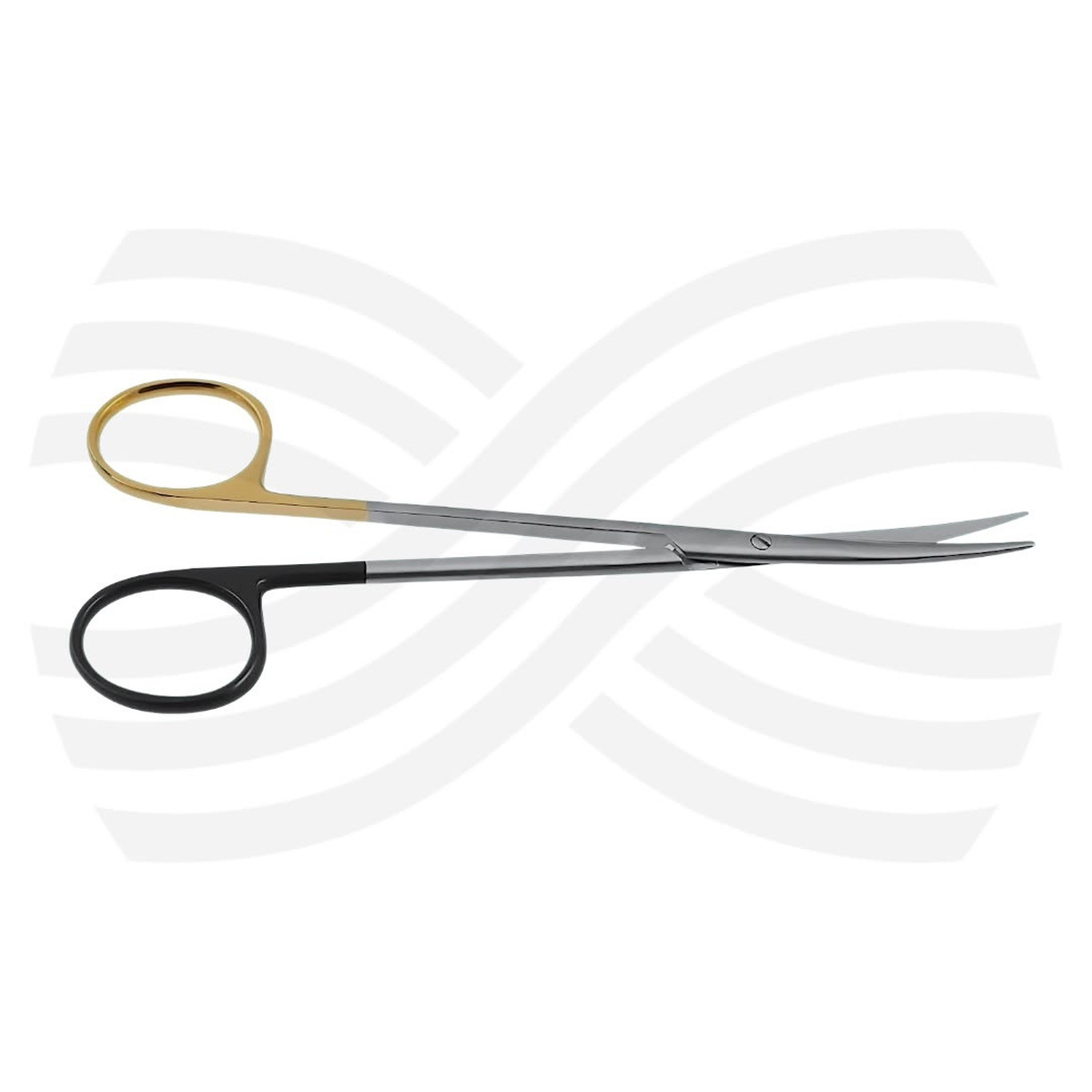
Long-shank curved micro dissecting scissors featuring slender shanks and two-tone finger-rings.
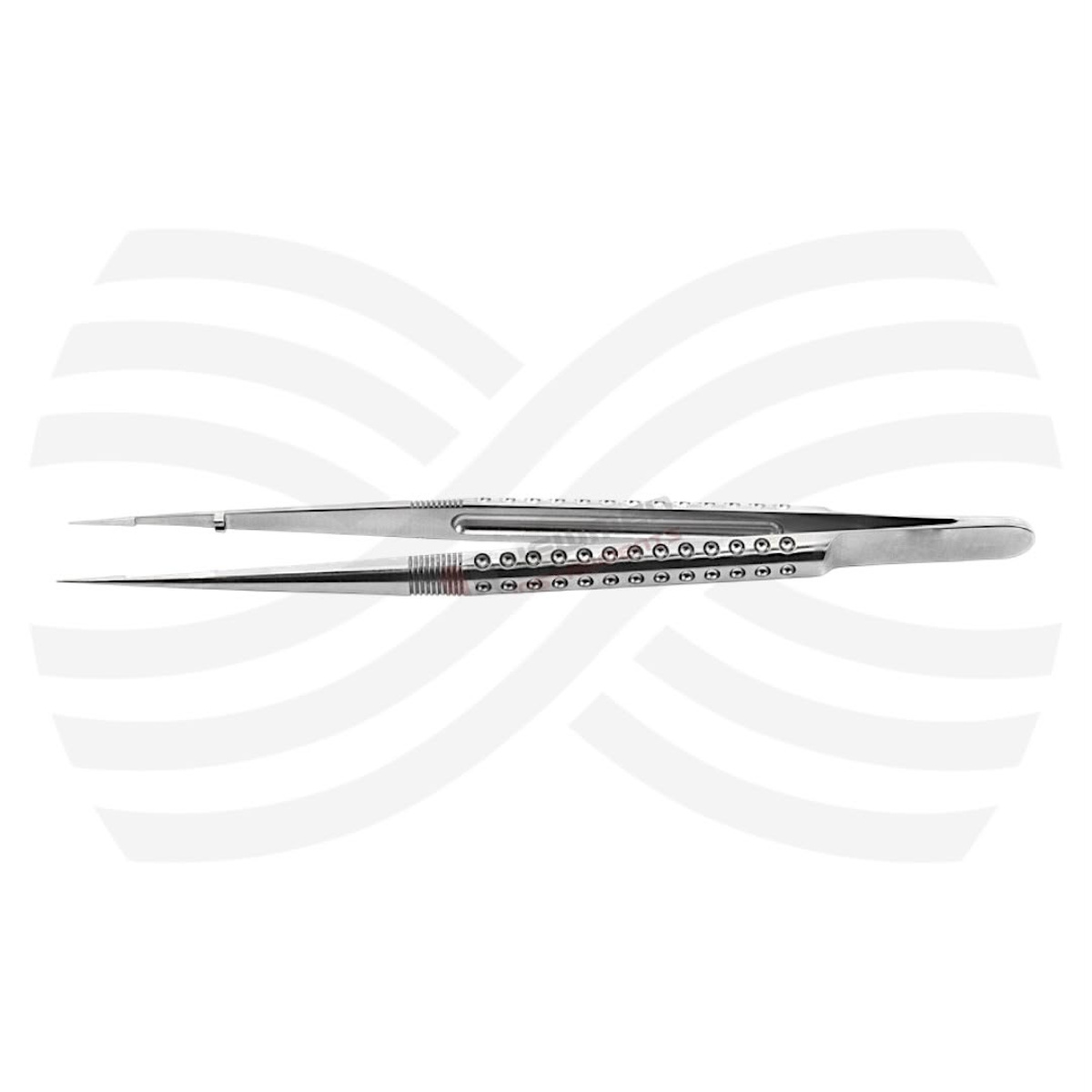
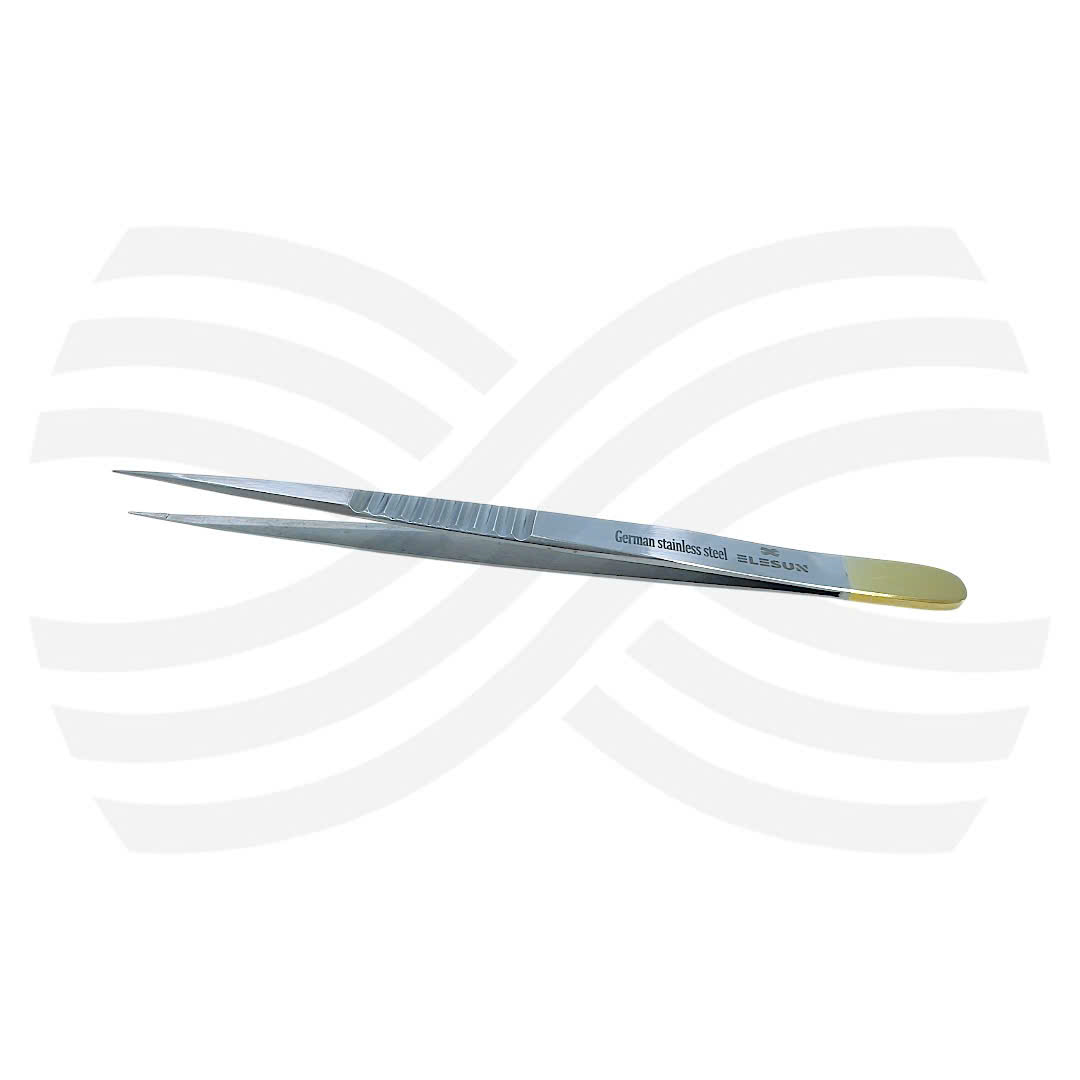
Straight micro forceps featuring wide handle plates with circular dimpled texture.
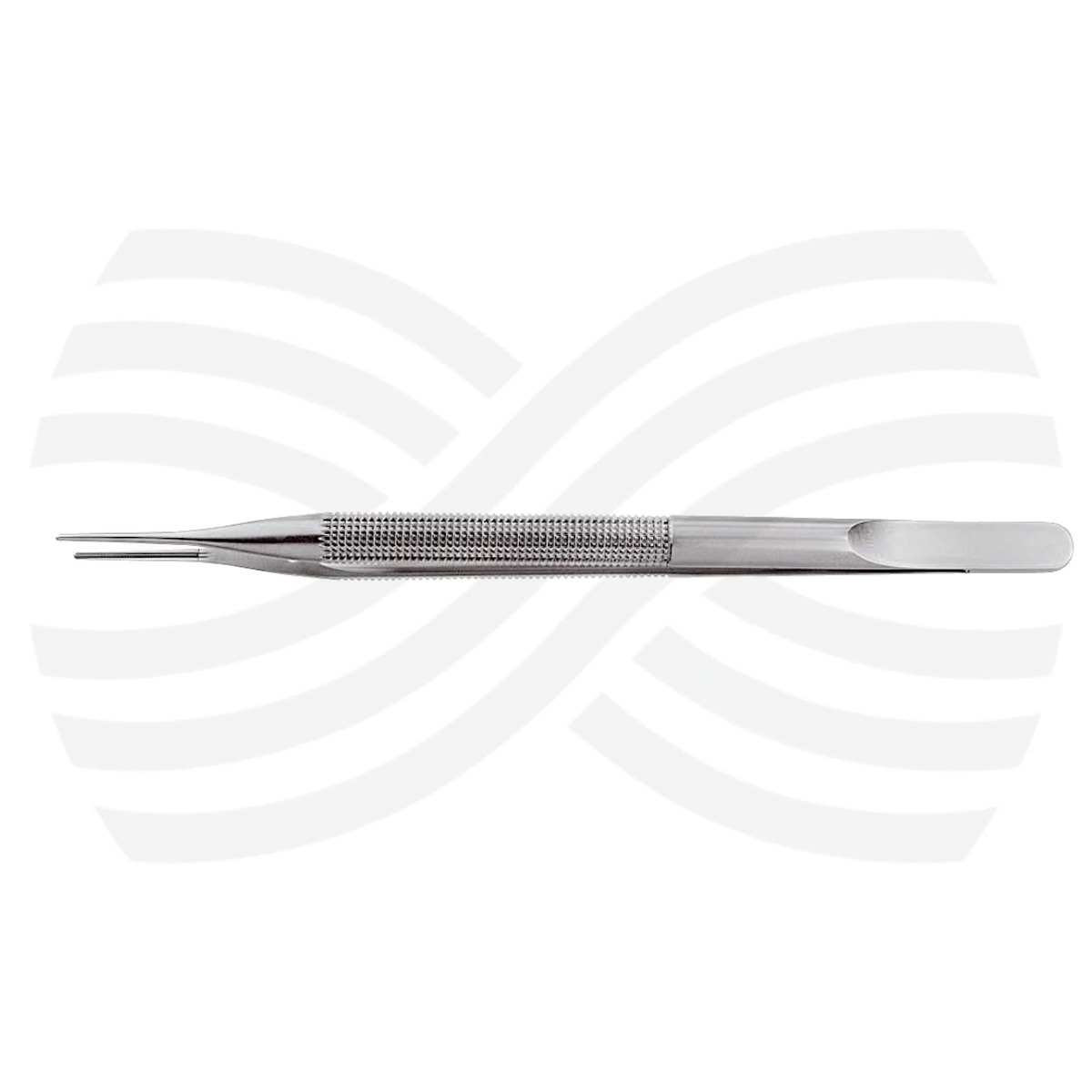
Round knurled handle micro forceps featuring fine straight tips.
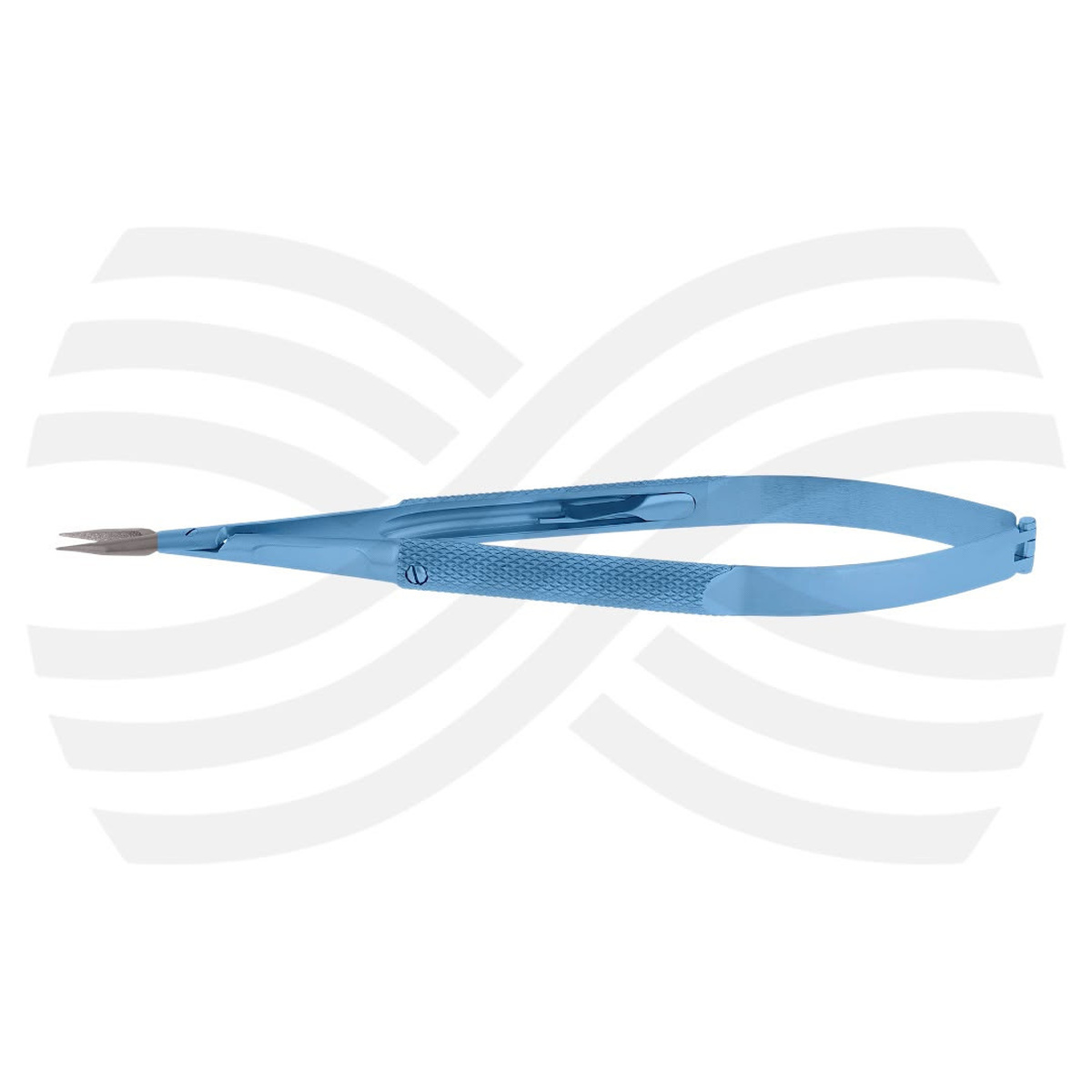
Vannas pattern spring micro scissors featuring blue finish handle and short, fine straight cutting blades.
Overview of pencil-grip ergonomics, leaf spring mechanics, and micro-geometry designed for precision manipulation under operative magnification.
In microsurgical procedures, round knurled handles and wide dimpled handle bodies assist surgeons in managing instrument control through fingertip movements.
Symmetric weight distribution supports fine instrument orientation via fingertip manipulation under operative magnification.
Configurations such as the round knurled micro forceps and dimpled handle micro forceps illustrate tactile optimization principles. For further context, see the article on surgical instrument selection and geometric design principles.
Micro scissors utilize resilient leaf spring handles instead of traditional finger-rings, supporting smooth jaw closure through gentle finger compression.
Dual leaf springs deliver reliable restorative action, assisting surgeons in managing fine dissection strokes and tactile tissue feedback throughout the cutting cycle.
Within micro cutting instrumentation, the curved micro spring scissors and Vannas spring micro scissors offer distinct geometric approaches tailored to specialized operative fields.
Castroviejo pattern micro needle holders combine spring handles with a mechanical ratchet catch, assisting in grasping microsurgical needles. Needle compatibility must be confirmed against product specifications.
Tungsten carbide (TC) inserts are utilized to enhance surface hardness; TC jaws may support needle grip security, with actual performance depending on jaw configuration and needle type.
The Castroviejo spring micro needle holder with TC jaws exemplifies microsurgical needle retention. Read the article on surgical instrument materials and metallurgy standards for a general overview of surgical instrument materials and standards.
In deep operative corridors or narrow anatomical spaces, long-shank microsurgical instruments position working tips precisely while keeping handles clear of microscopic line-of-sight.
Slender elongated shanks combined with ring handles provide mechanical leverage at distance, allowing surgeons to execute tissue dissection while maintaining stable hand support outside the corridor.
The long-shank curved micro dissecting scissors illustrates long-shank design tailored for deep operative field access.
Microsurgical instrument tips have small dimensions and must be protected from mechanical impact. Cleaning, disinfection, and sterilization procedures must strictly adhere to the manufacturer’s Instructions for Use (IFU).
Due to the delicate mechanics of leaf springs, catch levers, and fine tip alignment, microsurgical instruments require meticulous handling across debridement, magnification inspection, and sterilization containment.
For healthcare decontamination workflows and standard compliance, consult the monograph on surgical instrument reprocessing, cleaning & sterilization guide or contact the ELESUN surgical solutions portfolio across specialty disciplines.
In-depth technical articles on surgical metallurgy, geometrical design, and clinical reprocessing protocols.
Clinical decontamination workflow, pitting corrosion prevention, and specialty instrument lifespan preservation.
Mechanical properties of Martensitic, Austenitic steels and Titanium in high-stress surgical corridors.
Mechanical analysis of straight, curved, angled, and bayonet shaft configurations under surgical exposure.
ELESUN clinical specialists provide direct technical consultation for surgical teams and hospital procurement boards.