
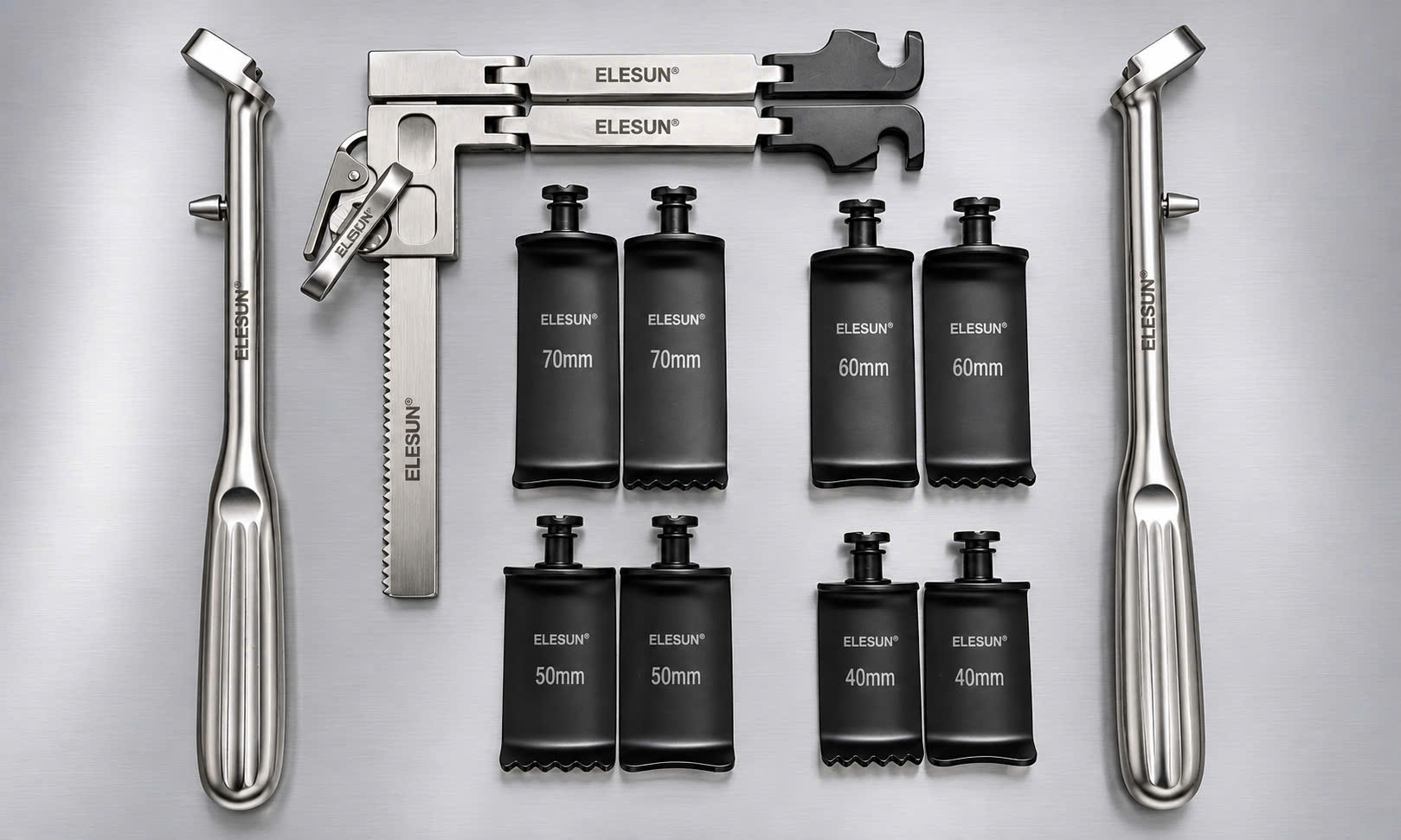
Configuring surgical instrument sets around clinical workflow means selecting, grouping and organizing instruments according to the functions required during a procedure. Rather than purchasing from a product list alone, facilities can define a core instrument set, add specialty-specific modules and standardize inspection, storage and reprocessing arrangements.
An effective surgical instrument set is more than a collection of forceps, scissors, retractors and rongeurs. Its value lies in how well each instrument fits the intended procedure, the surgeon's sequence of tasks and the operational capabilities of the healthcare facility.
Configuring surgical instrument sets around clinical workflow means selecting, grouping and organizing instruments according to the functions required during a procedure. Rather than purchasing from a product list alone, facilities can define a core instrument set, add specialty-specific modules and standardize inspection, storage and reprocessing arrangements.
1. Why configure instrument sets around surgical workflow?
Two instrument sets containing similar numbers of items do not necessarily meet the same clinical requirements.
A spinal surgery set may require Kerrison rongeurs, dissecting instruments and a dedicated retraction system. Vascular procedures, by contrast, may call for different dissection forceps, vascular clamps and suturing instruments.
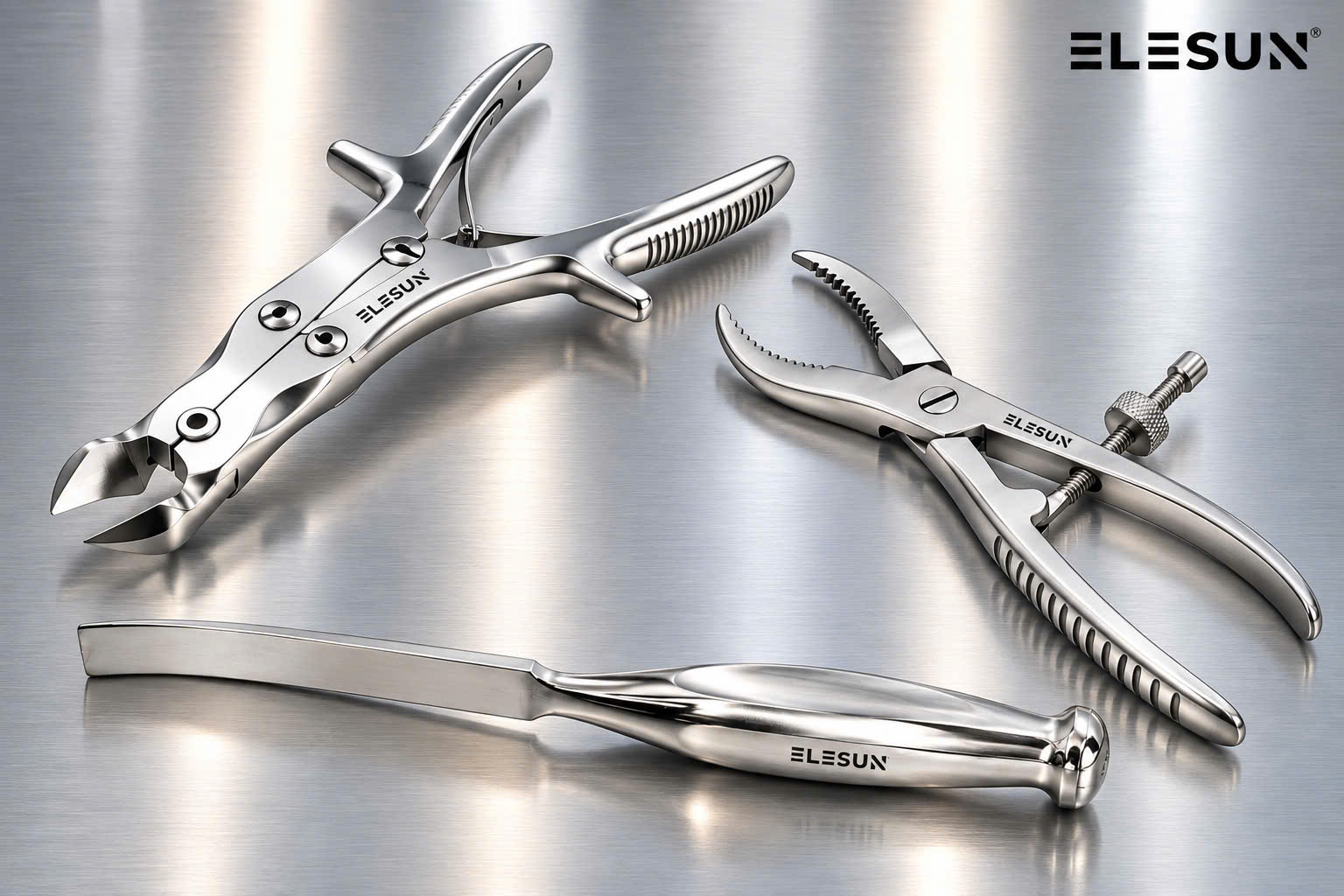
A practical configuration therefore begins with three questions:
- Which procedure will be performed? Define the specialty, surgical approach and anticipated tasks.
- Which instrument functions are required? Distinguish general-purpose instruments from technique-specific devices.
- How will the facility manage the set? Consider reprocessing, storage, maintenance and readiness for use.
A 2024 instrument-tray optimization study at Aarhus University Hospital in Denmark found that standardization and tray redesign can reduce instrument counts and management complexity. Results from one institution, however, should not be assumed to apply directly to every specialty or healthcare facility.
2. Five functional stages for organizing surgical instruments
ELESUN uses a five-stage framework to help organize instruments by function. This is a product-selection framework, not a mandatory clinical protocol for every surgical procedure.
Stage 1: Surgical access and exposure
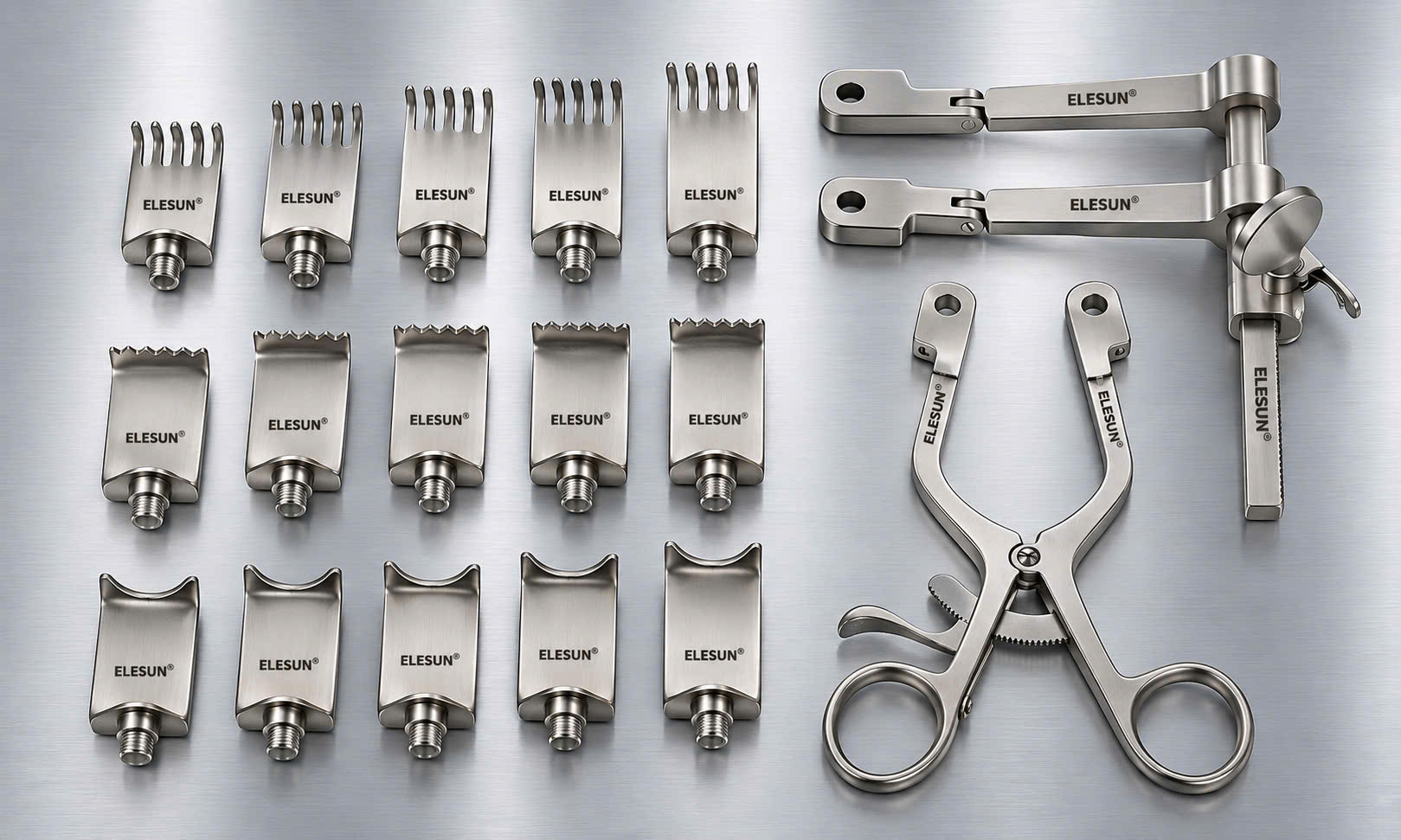
Instruments in this group support access to, exposure of and maintenance of the operative field for the intended technique.
Possible choices include self-retaining retractors, soft-tissue retractors, periosteal elevators and specialty access instruments.
Selection factors may include size, working-end geometry, length, retention mechanisms and compatibility with the chosen surgical approach.
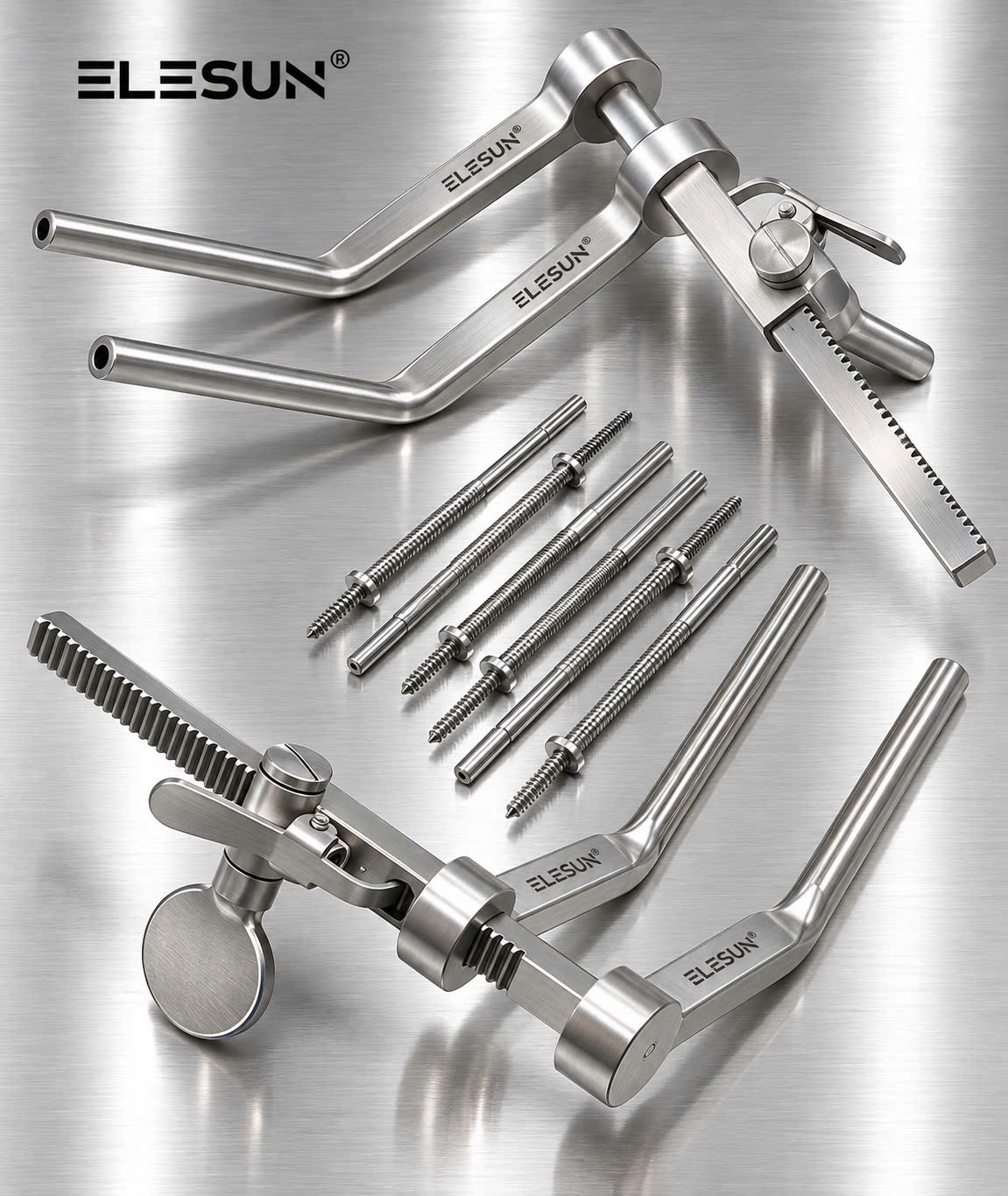
Stage 2: Tissue and anatomical dissection
This stage involves separating tissue planes or approaching anatomical structures that require intervention.
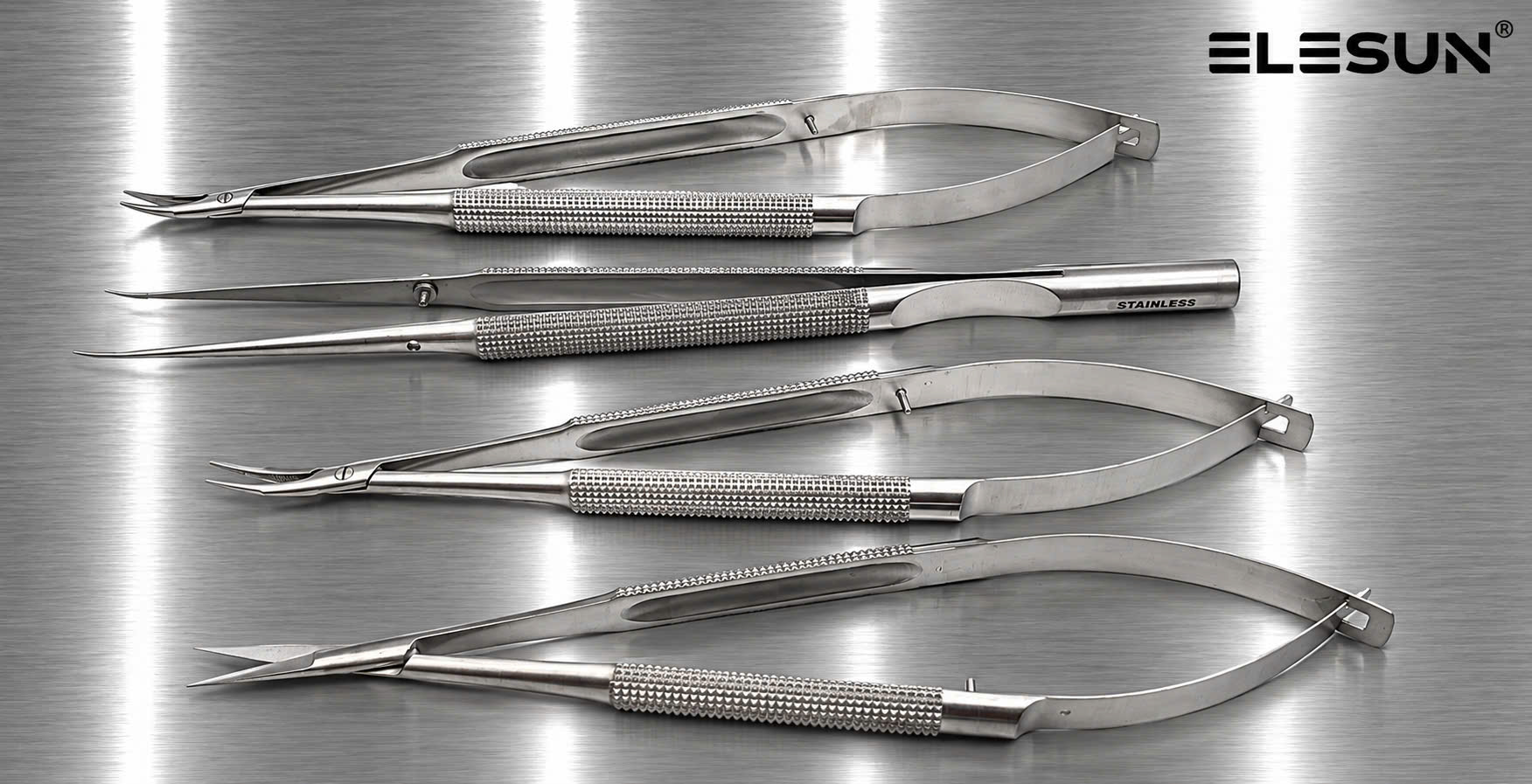
Depending on the specialty, an instrument set may include dissecting scissors, dissecting forceps, blunt or sharp dissectors, and dedicated microsurgical designs.
Selection should account for working-end shape, handling in confined spaces and the characteristics of the tissue involved. Suitability should not be judged by instrument length or product name alone.
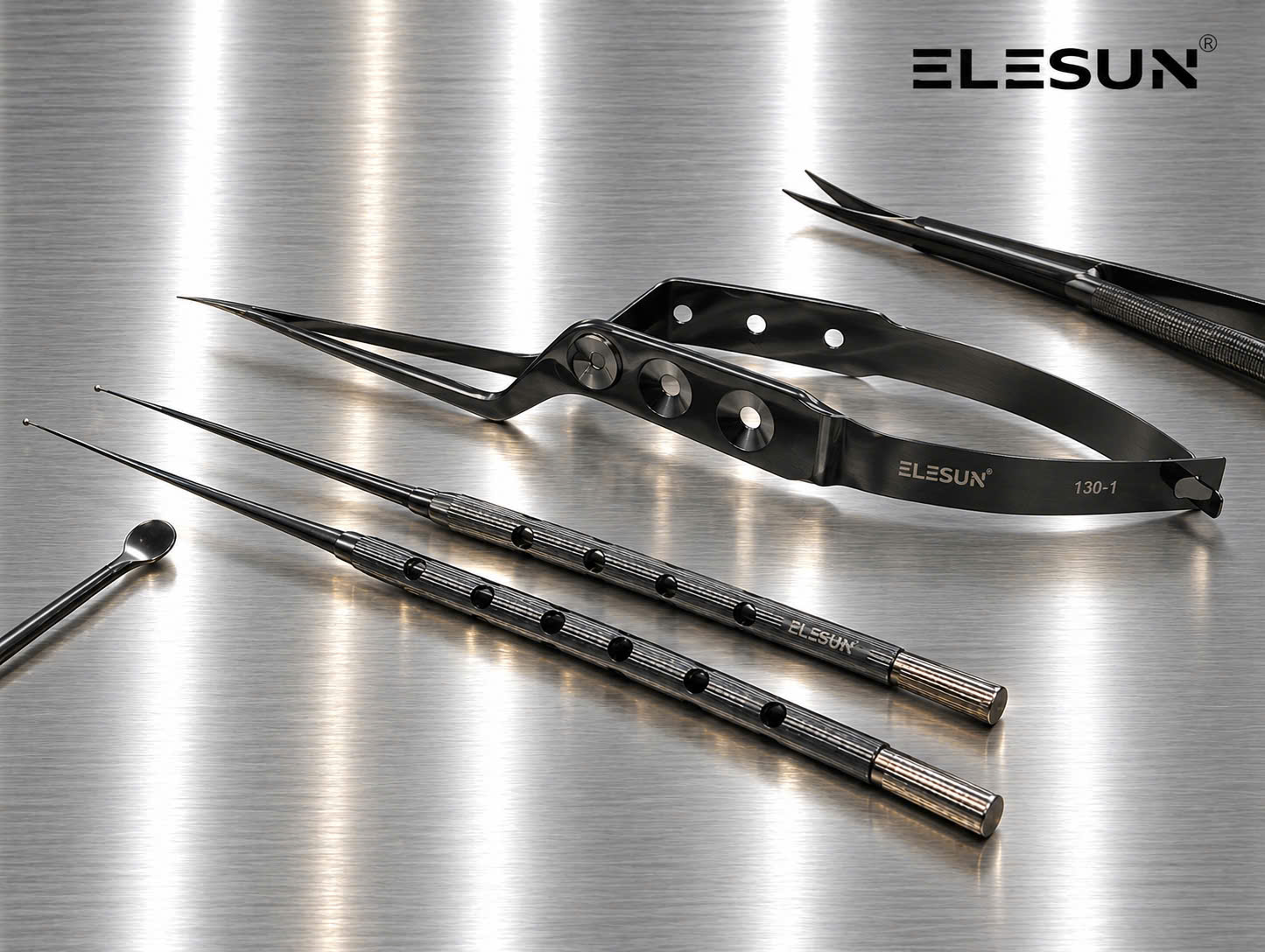
Stage 3: Hemostasis and vascular control
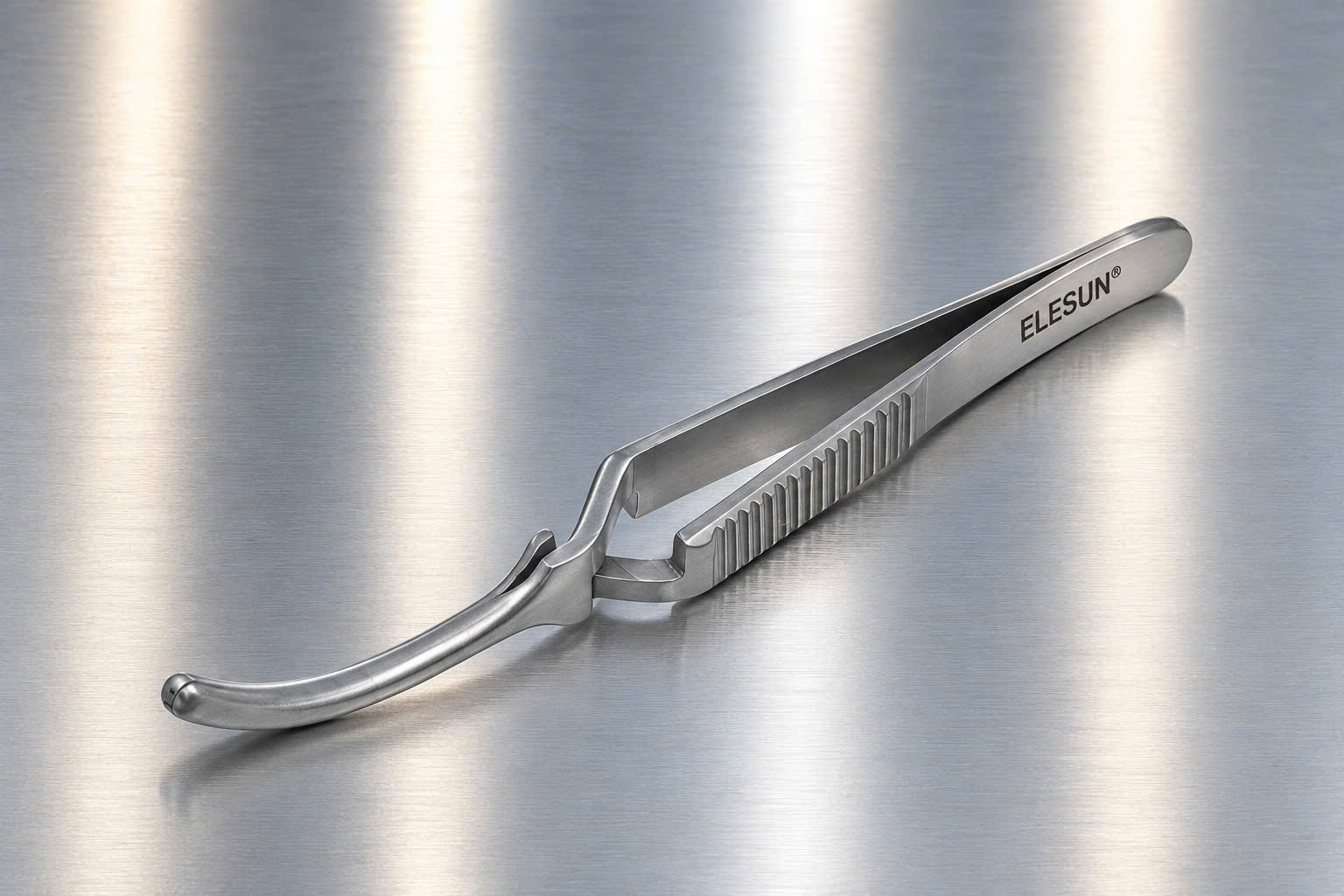
This group may include hemostatic forceps, vascular clamps, Bulldog clamps and other instruments that support control of the operative field.
In vascular surgery, jaw geometry, locking mechanisms and clamping characteristics are especially relevant. Not every general-purpose hemostat is suitable for direct application to blood vessels.
Choices must reflect intended use, design characteristics and the manufacturer's product documentation.
Stage 4: Specialty intervention
This group varies substantially between surgical specialties.
Neurosurgical and spinal procedures may require Kerrison rongeurs, bone rongeurs, curettes and other instruments for working with bony structures.
Other techniques may call for specialized scissors, graspers, shaping tools or procedure-specific devices.
No single intervention set is suitable for every specialty. The configuration must be based on clinical requirements and confirmed by the facility's professional team.

Stage 5: Suturing, closure and completion
Commonly considered instruments include needle holders, tissue forceps, suture scissors and other tools appropriate for closure.
Selection factors include jaw design, needle-holding capability, handle length, locking mechanisms and compatibility with the intended needles and sutures.
The set should also support the facility's instrument-counting, retrieval and reprocessing procedures.
3. Core instrument sets and specialty modules
One practical approach is to structure the configuration in two layers:
Core Instrument Set
A core set groups functions routinely required across a defined range of procedures, such as grasping, cutting, needle holding and access support.
Specialty Module
A specialty module contains instruments needed only for particular techniques, such as a selection of Kerrison rongeurs for spinal procedures or dedicated vascular clamps.
This arrangement helps facilities identify which instruments can be shared and which require separate management, rather than assuming that every procedure requires a completely different set.
4. Illustrative instrument-set configuration by function
The following table is an organizational example, not an approved surgical tray list or procedure-ready configuration.
| Functional group | Example instruments | Points to confirm |
|---|---|---|
| Access | Self-retaining retractors, soft-tissue retractors | Size, design, surgical approach |
| Dissection | Dissecting scissors, dissecting forceps | Tissue type, working space, tip geometry |
| Control | Hemostatic forceps, Bulldog clamps | Indication, locking mechanism, jaw characteristics |
| Intervention | Kerrison rongeurs, bone rongeurs, specialty instruments | Technique, dimensions and required function |
| Closure | Needle holders, tissue forceps, suture scissors | Needle/suture type, jaw design, closure technique |
Specific quantities, sizes and product codes should be finalized only after clinical requirements have been agreed and product documentation has been reviewed.
5. Standardization does not mean removing instruments at any cost
A set containing many seldom-used items can increase the workload involved in checking, arranging and reprocessing instruments. Conversely, removing instruments without a proper assessment can leave a set unable to meet clinical needs.
Standardization should involve surgeons, scrub practitioners, infection prevention and control personnel, and the central sterile services department.
Potential improvements include:
- Reviewing which instruments are actually used across defined procedure groups.
- Identifying instruments with overlapping functions or those no longer fit for purpose.
- Separating core sets from specialty modules.
- Standardizing naming, item codes and instrument-count sheets.
- Periodically reassessing configurations against real clinical needs.
Reprocessing must follow the manufacturer's instructions for use (IFU) and the healthcare facility's approved procedures. ISO 17664-1:2021 specifies requirements for the processing information manufacturers must provide for devices within the standard's scope; it does not replace the validated instructions for any specific device.
6. Checklist for configuring or purchasing surgical instrument sets
Before approving a configuration, healthcare facilities should check that:
- The intended uses and procedure groups have been defined.
- The proposed instrument list has been reviewed by the clinical team.
- Instrument names, product codes, dimensions and quantities are clear.
- Compatibility information is available for specialty instruments.
- Applicable instructions for use and reprocessing are available for each device.
- Functional inspection, maintenance and replacement arrangements are in place.
- The list supports instrument counting and internal traceability.
- Technical documentation, quality records and warranty terms have been checked for the relevant products.
7. How can ELESUN support instrument-set configuration?
ELESUN offers instrument ranges for multiple specialties, including neurosurgery, spinal surgery, trauma and orthopedics, microsurgery and vascular surgery.
Instead of selecting instruments in isolation, customers can discuss intended procedures, the functional groups to be equipped and specific technical requirements with ELESUN to develop a proposed product list.
The final configuration should be confirmed by the healthcare facility before an order is placed.
Explore: ELESUN Surgical Solutions · Product Catalogue · Vascular Surgical Instruments
8. Frequently asked questions
1. What does a standard surgical instrument set include?
There is no single instrument list suitable for every type of surgery. The contents depend on the specialty, procedure, surgical approach and healthcare facility's requirements.
2. Can instruments be shared across surgical specialties?
Some instruments can be shared when their intended use, indication and technical requirements are suitable. Any shared use should nevertheless be assessed and approved through the facility's management procedures.
3. How does a core instrument set differ from a specialty set?
A core set groups functions commonly required across a defined range of procedures. A specialty module adds instruments needed for particular tasks or techniques.
4. Should rarely used instruments be removed from surgical trays?
They may be considered for removal, but the decision should account for frequency of use, contingency needs and input from the clinical team. Low use alone is not sufficient grounds for removal.
5. Can instruments from different manufacturers be combined in one set?
This may require separate assessment of intended use, technical compatibility, reprocessing requirements and inventory management. Instruments should not be assumed compatible simply because they have similar names.
6. Can ELESUN help configure an instrument set to specific requirements?
Customers can provide an instrument list and technical requirements so ELESUN can advise on suitable product options. Final approval of the configuration and its clinical use remains with the healthcare facility's professional team.
Consult ELESUN about surgical instrument-set configuration
Explore specialty instrument ranges and discuss a configuration aligned with your facility's procurement requirements.
References
- World Health Organization. WHO Guidelines for Safe Surgery 2009: Safe Surgery Saves Lives. https://www.who.int/westernpacific/publications/i/item/9789241598552
- ISO 17664-1:2021. Processing of health care products: Information to be provided by the medical device manufacturer for the processing of medical devices — Part 1: Critical and semi-critical medical devices. https://www.iso.org/standard/81720.html
- Link T. Guidelines in Practice: Instrument Cleaning. AORN Journal. 2021;114(3):241–251. https://doi.org/10.1002/aorn.13495
- Rubak P, Christensen A-E, Granlie M, Bundgaard K. Surgical instrument tray optimization process at a university hospital: A comprehensive overview. Surgery Open Science. 2024;21:60–65. https://doi.org/10.1016/j.sopen.2024.09.007