
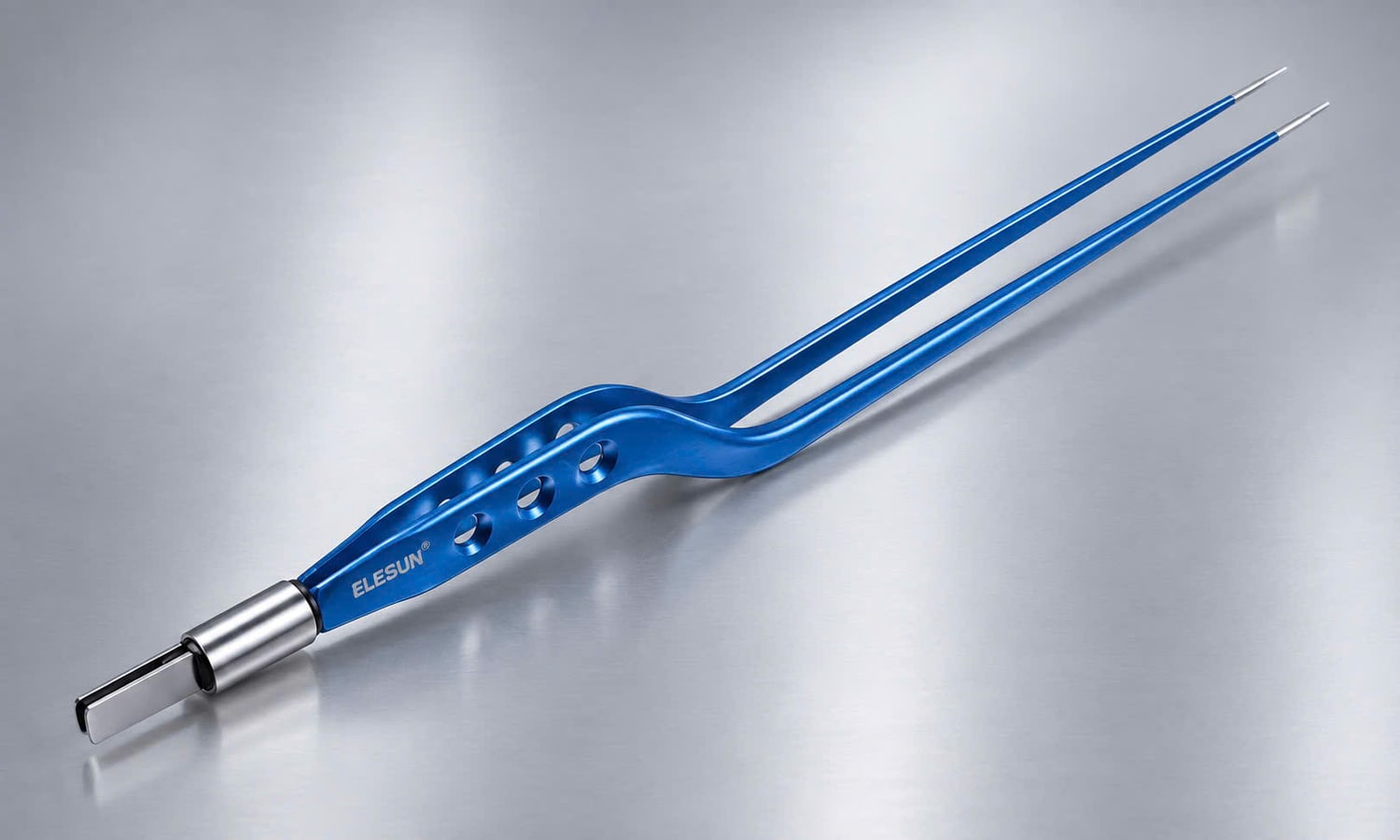
Compare bipolar and monopolar electrosurgery by current pathway, electrode arrangement, forceps design and instrument selection criteria.
Quick overview: Electrosurgical instruments deliver high-frequency electrical energy to tissue to produce thermal effects such as cutting and coagulation. Bipolar and monopolar electrosurgery differ primarily in the electrical current pathway and electrode arrangement, rather than merely in the appearance of an instrument.
1. What are electrosurgical instruments?
Electrosurgical instruments deliver high-frequency electrical energy from an electrosurgical generator to target tissue. The tissue effect depends on factors such as waveform, activation time, electrode geometry and tissue properties. [1] [2]
The handheld instrument is one component of a broader system involving a generator, cables, connectors, electrodes and compatible accessories. Instrument selection therefore requires verification of system compatibility. [1] [2]
2. What are bipolar forceps?
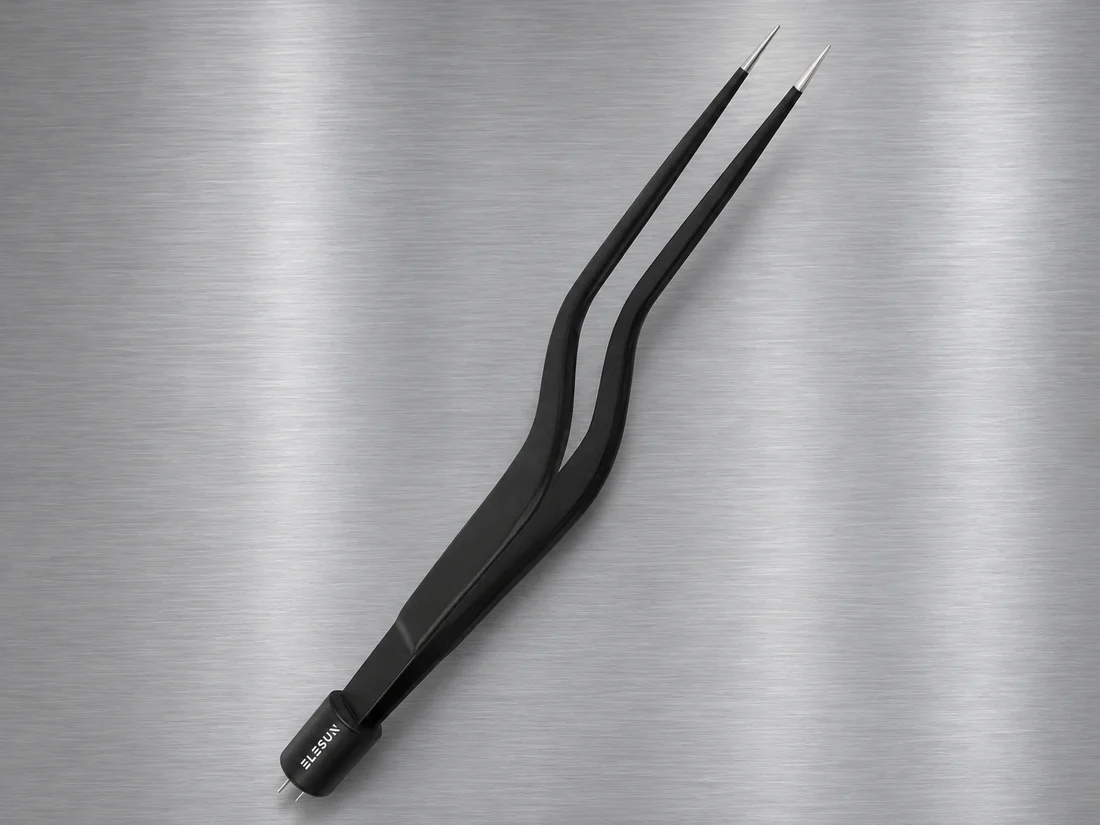
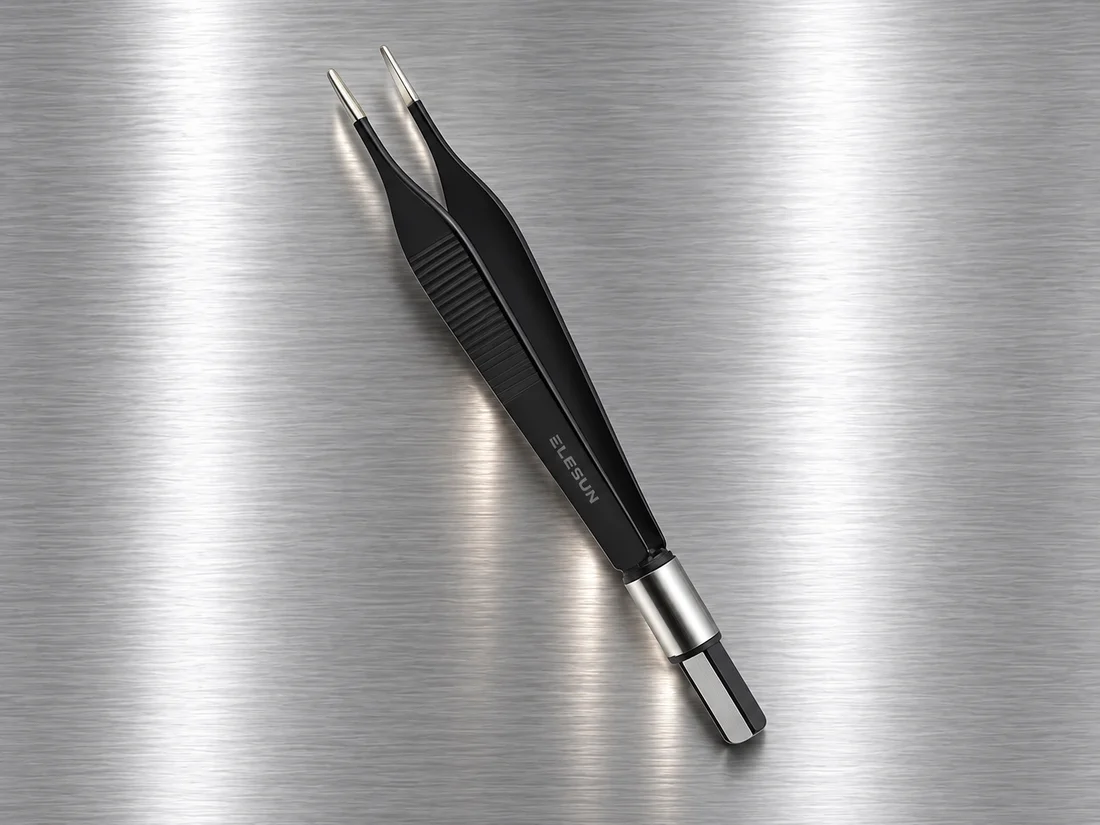
Bipolar forceps have two electrodes at their working tips. Current travels from one tip through the tissue between the tips and returns through the other tip. Standard bipolar operation does not require a separate patient return pad for that bipolar circuit. [1] [2]
The relatively localized current pathway makes bipolar forceps useful in targeted coagulation and procedures requiring fine handling. Thermal spread to nearby tissue can still occur, depending on the system, tissue and activation conditions. [1] [2]
Common bipolar instrument designs
- Straight Bipolar Forceps: A direct working axis with model-specific tip geometry.
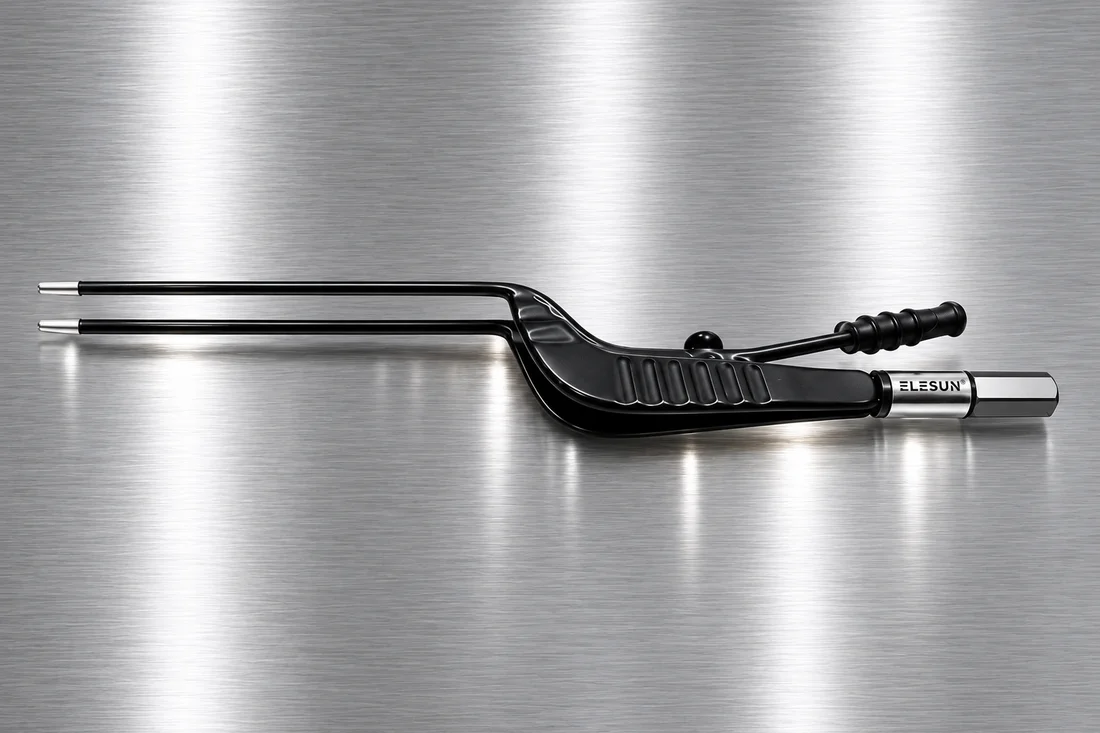
- Bayonet Bipolar Forceps: An offset shaft that moves the handle away from the line of sight, often useful in deeper or narrower fields.
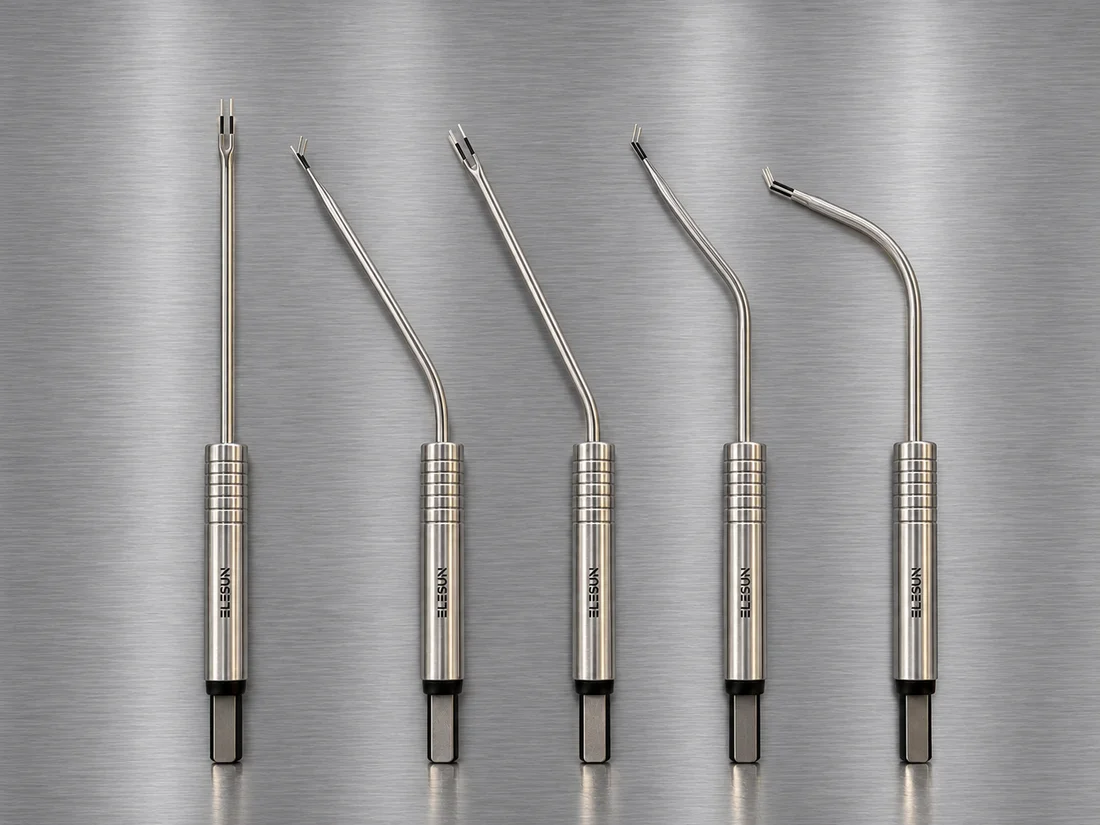
- Angled or curved tips: Alternative approaches to tissue based on the surgical field.
- Irrigating bipolar forceps: Instruments with an integrated irrigation channel and model-specific connections.
- Bipolar Electrodes: Two-electrode working tips available in different geometries, subject to manufacturer specifications.
3. What are monopolar electrosurgical instruments?
In monopolar electrosurgery, high-frequency current travels from the active electrode at the operative site through patient tissue to a patient return electrode, completing the circuit back to the generator. Conventional monopolar configurations require an appropriate patient return electrode. [1] [2]
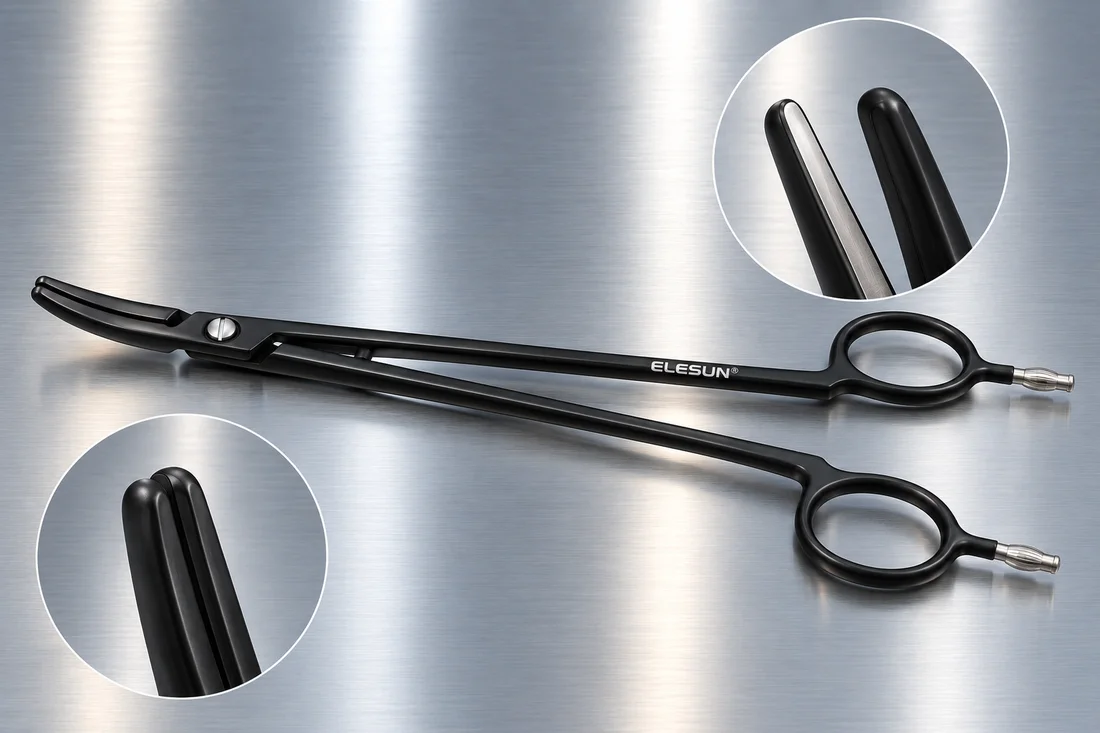
Examples may include electrosurgical pencils and needle, blade, loop or selected monopolar forceps designs. Depending on the generator mode and the approved instrument configuration, monopolar energy can be used for cutting or coagulation. [1] [2]
4. Bipolar vs monopolar: key differences
| Feature | Bipolar | Monopolar |
|---|---|---|
| Electrode arrangement | Two poles at the working tip | Active electrode and separate return electrode |
| Current pathway | Through tissue between the two working poles | Through tissue/body to the patient return electrode |
| Patient return pad | Not required for standard bipolar mode | Required for conventional monopolar mode |
| Common use | Localized coagulation | Cutting and coagulation |
| Instrument examples | Bipolar forceps and electrodes | Pencils, needle/blade/loop electrodes, selected forceps |
| Key checks | Tip geometry, insulation, cable/generator compatibility | Active electrode, insulation, return pathway and system compatibility |
Neither modality is universally safer or more suitable for every procedure. Selection depends on the clinical context, target tissue, equipment and the manufacturer's Instructions for Use (IFU).
5. How to select electrosurgical instruments
Working-tip geometry
Tip size, straight or angled geometry, access angle and jaw alignment matter. With bipolar forceps, consistent contact between the working tips is relevant to controlled handling of target tissue.
Shaft design and working length
Straight, longer and bayonet-shaped instruments offer different access and visibility characteristics. Selection should reflect the actual working field.
Insulation and pre-use inspection
Insulation, connectors and cables should be checked according to the manufacturer's instructions. Damaged insulation can create unintended energy-delivery hazards. [1] [2]
Generator compatibility
Electrical ratings, cables, connectors and supported generator modes must be verified. Similar-looking connectors are not proof of compatibility.
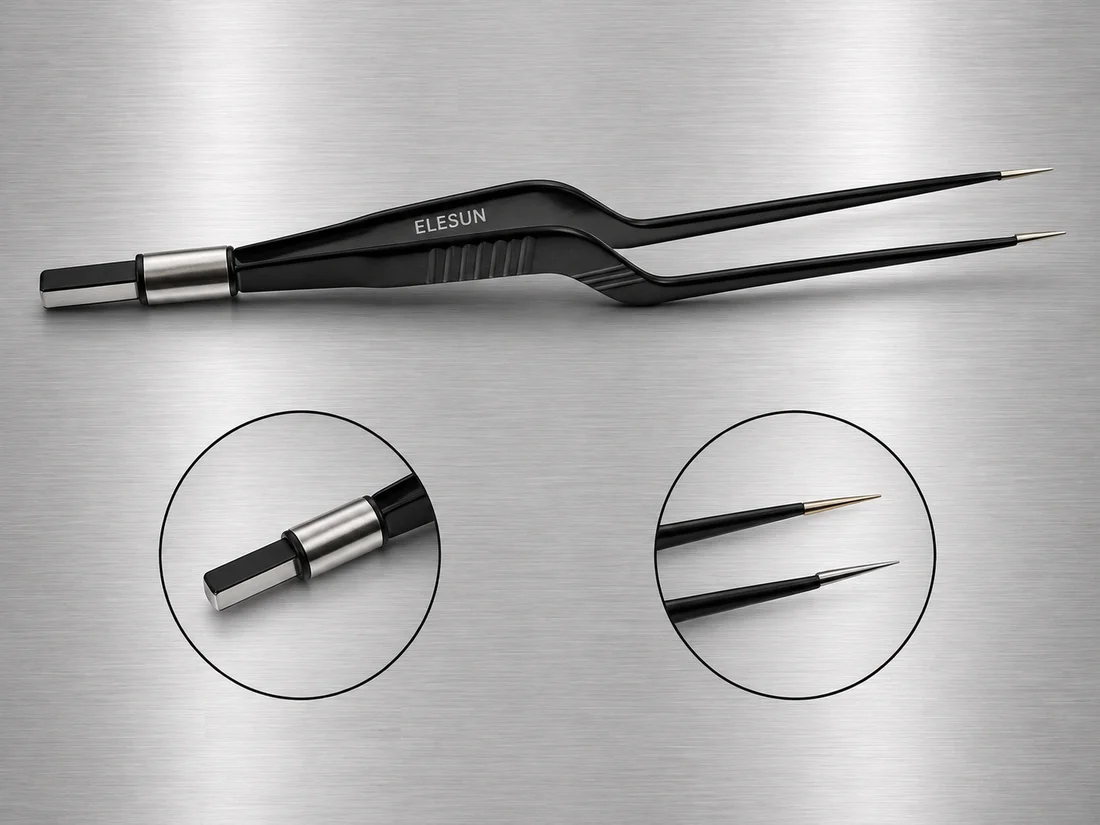
Consult manufacturer documentation to verify the connector standard and reusability.
Irrigation and reprocessing
Irrigating instruments require an appropriate fluid-delivery configuration. For reusable instruments, follow the device-specific IFU, the facility’s validated processes and approved procedures, and applicable requirements for cleaning, inspection, packaging and sterilization.
6. ELESUN electrosurgical instrument categories
The electrosurgery catalogue is organized into Bipolar Instruments, Monopolar Instruments and Electrosurgical Accessories.
7. Frequently asked questions
Do bipolar forceps require a patient return pad?
A standard bipolar circuit uses both electrodes at the working tip, so no separate patient return pad is required for that bipolar circuit.
Are bipolar forceps the same as ordinary microsurgical forceps?
No. Bipolar forceps are designed to deliver high-frequency electrical energy, while conventional mechanical microsurgical forceps primarily act through mechanical gripping forces.
Can bipolar electrosurgery cause thermal injury?
Yes. Thermal spread can occur depending on energy delivery, activation duration, tissue properties and instrument design.
Are bipolar forceps compatible with every generator?
No. Cables, connectors, electrical specifications and operating modes must be verified against manufacturer documentation.
What matters when selecting bipolar forceps for microsurgery?
Evaluate working-tip geometry, shaft length and design, insulation, irrigation requirements and compatibility with the electrosurgical system.
8. Explore ELESUN electrosurgical solutions
ELESUN presents electrosurgical instrument configurations for professional equipment selection. Model choice should follow actual technical requirements, the installed generator and product-specific documentation.
Browse electrosurgical instruments or contact ELESUN.
This article offers general technical information and does not replace device-specific IFUs, compatibility documents, clinical protocols or institutional safety procedures.